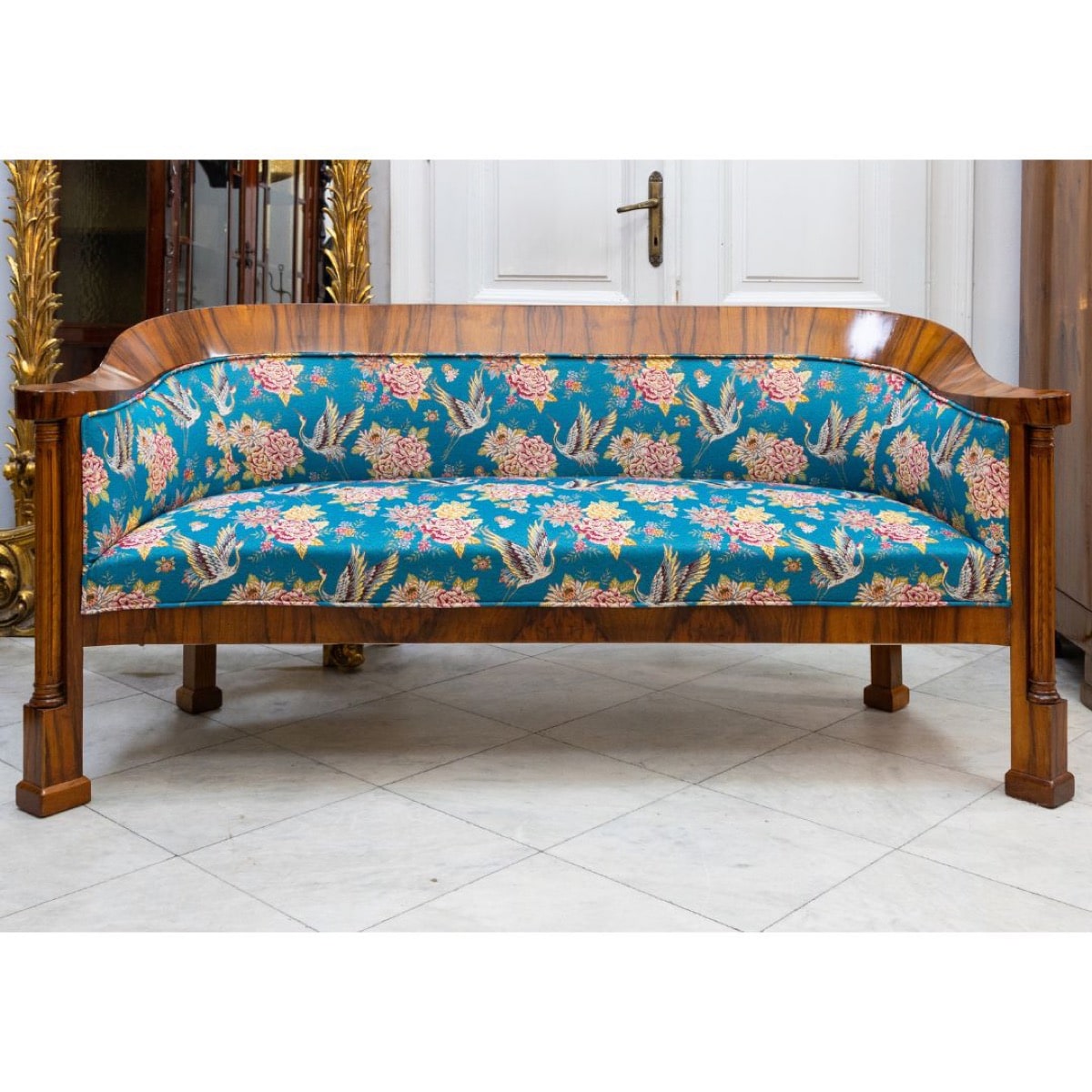
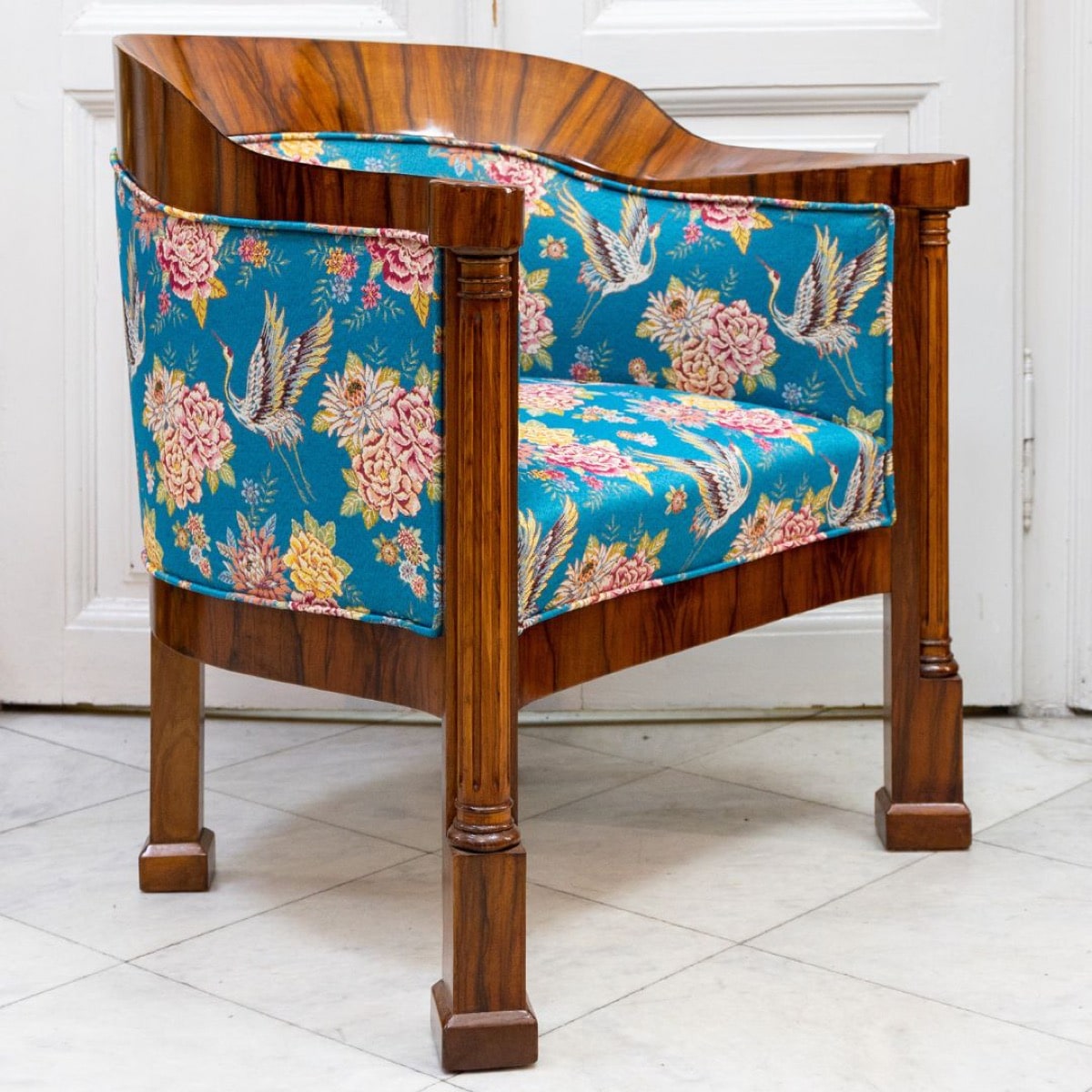
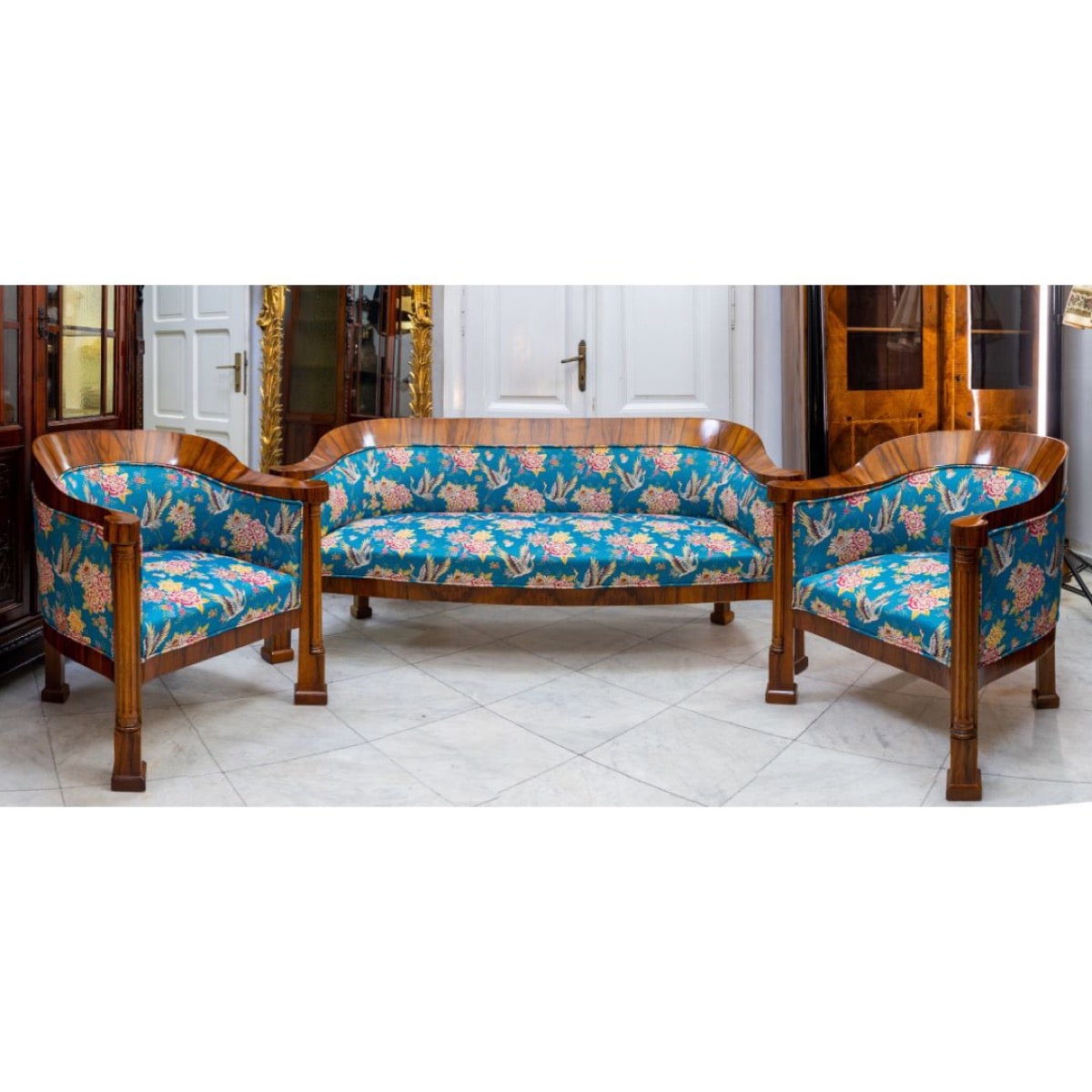
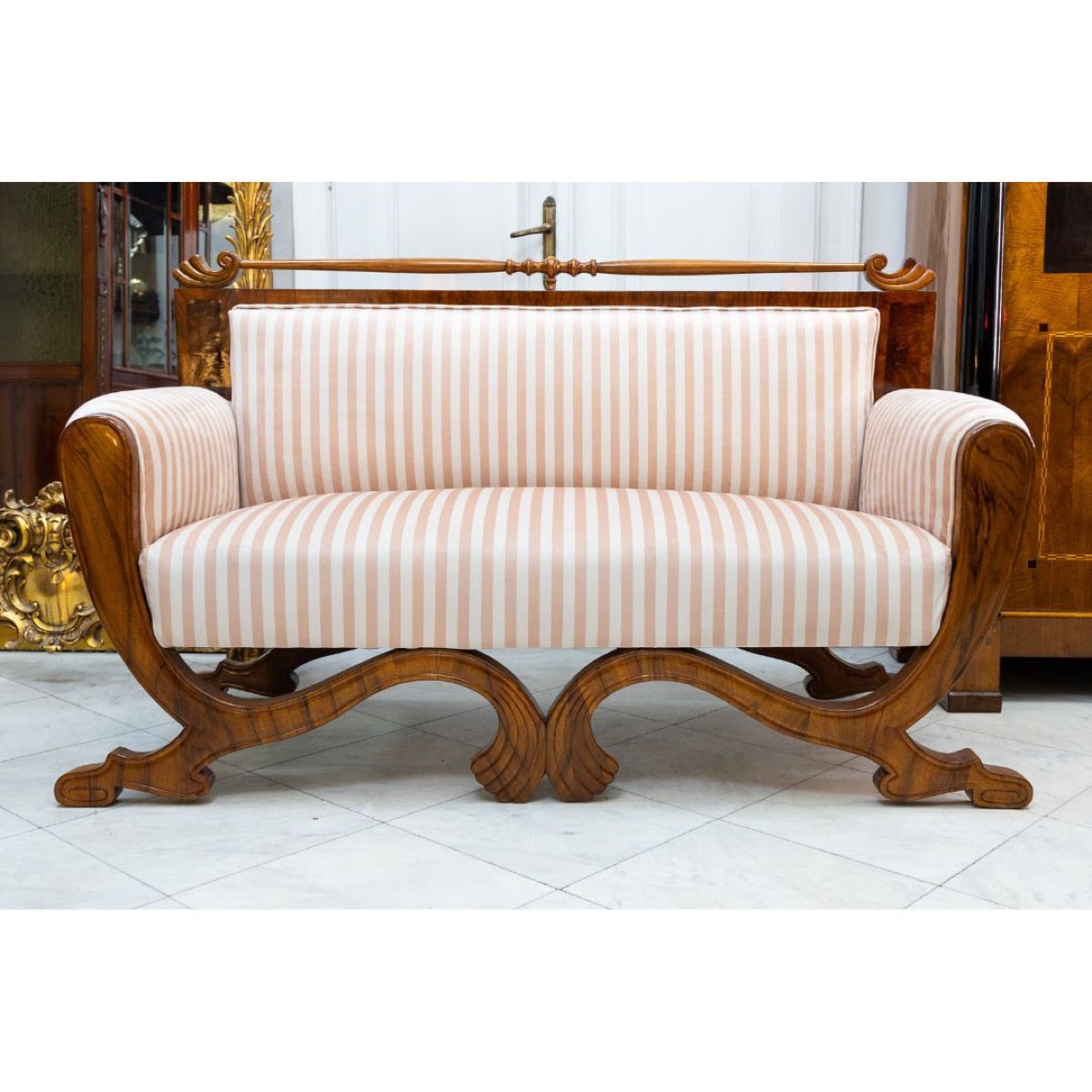
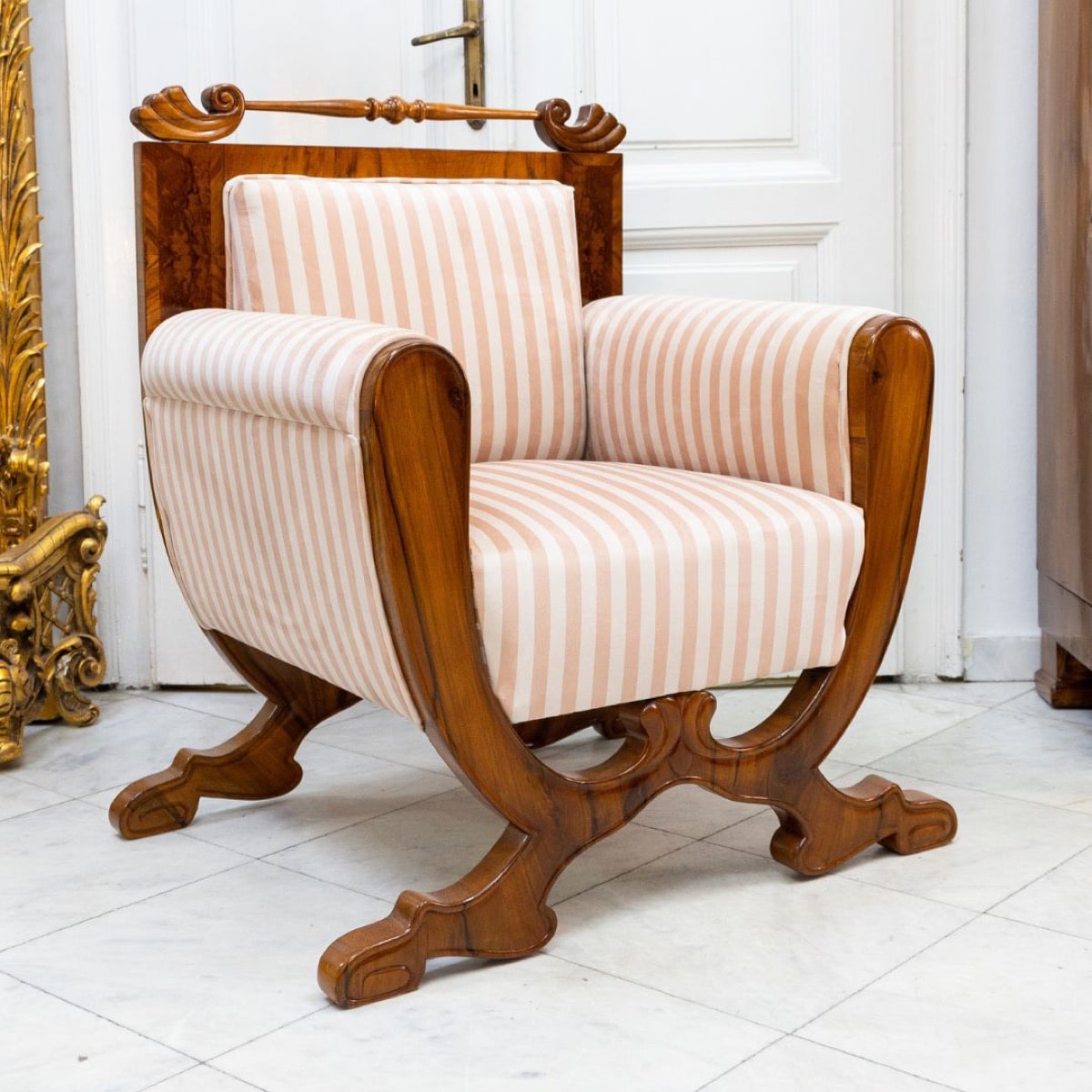
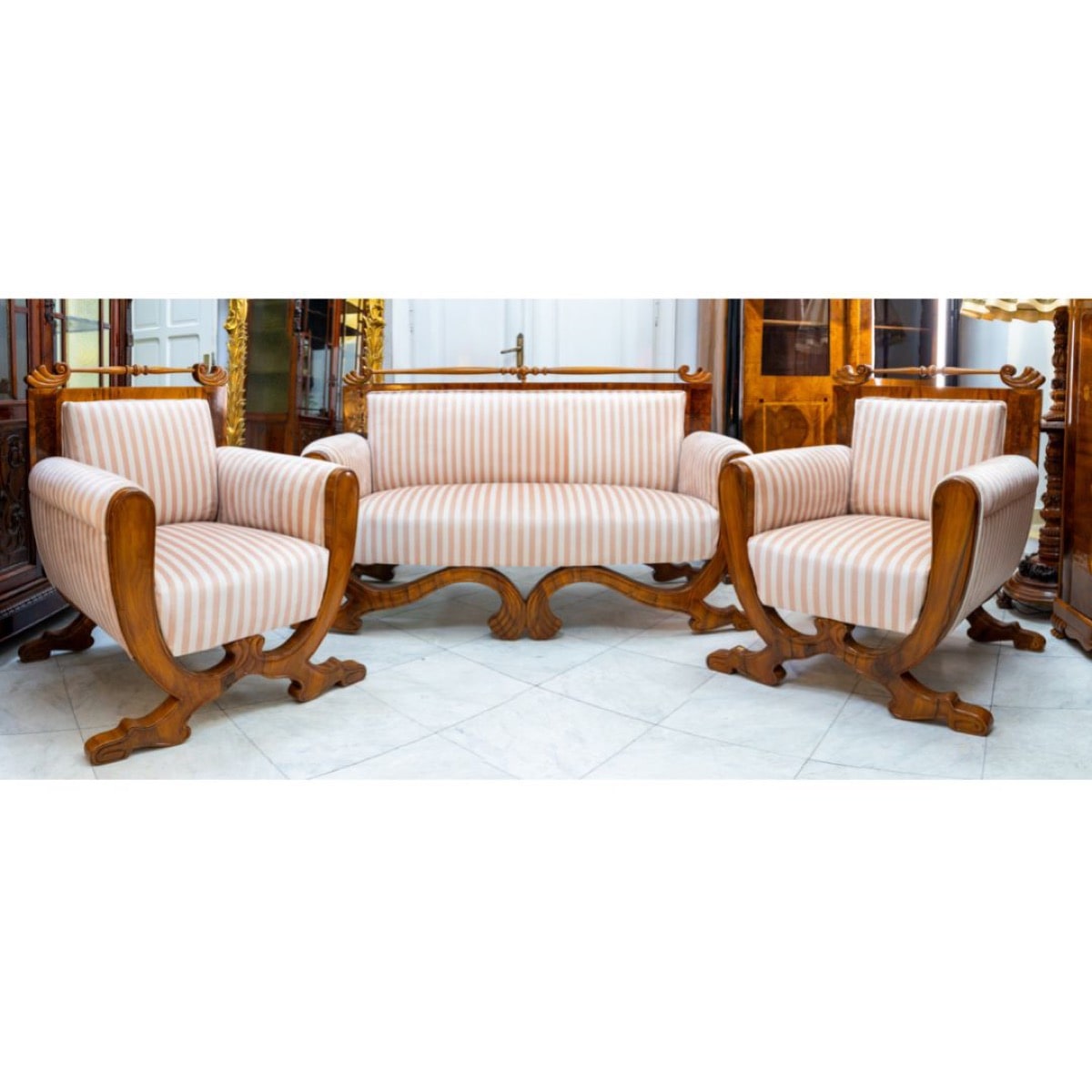
The beginning of the period in which the Biedermeier style prevailed coincides with the Congress of Vienna held in 1815, and its end with the Revolution of 1848. The Biedermeier style was most reflected in the interior design. This is one of the few European historical styles that was represented in our region, primarily in Vojvodina, which was part of the Austro-Hungarian Empire in the 19th century. This was exactly the route by which fashion trends from Western Europe arrived in the capital of Serbia – Belgrade, thus finding their way, very slowly, to the interior of the country. It experiences its specific development, in addition to German-speaking countries, in other European countries, Scandinavian countries, Russia and Italy.
The term Biedermeier was used around 1853 by the poet Ludwig Eichrodt and the doctor Adolf Kussmaul, who together published comic verses in the Munich humorous magazine “Fliegende Blätter”. They created the character of Weiland Gottlieb Biedermeier, and his surname is a combination of the German word “bieder” which means simple and the typical German surname Maier.
Bourgeoisie
The atmosphere that prevailed in the society at the time when this style was created greatly influences its development. The important factors of this time were the economic prosperity of the bourgeoisie and technological development, as well as the accelerated development of industrial production, which was gaining momentum. Citizens were forced to seek refuge from the gloomy reality in their homes, which they made comfortable and warm. In that intimate atmosphere, they were surrounded by families and friends. It was a place where they could freely express their ideals. The home was lacking luxury, great opulence and splendor, but it exuded a pleasant atmosphere that was ideal for socializing and talking, playing music, enjoying family or doing business.