


General characteristics – Shapes
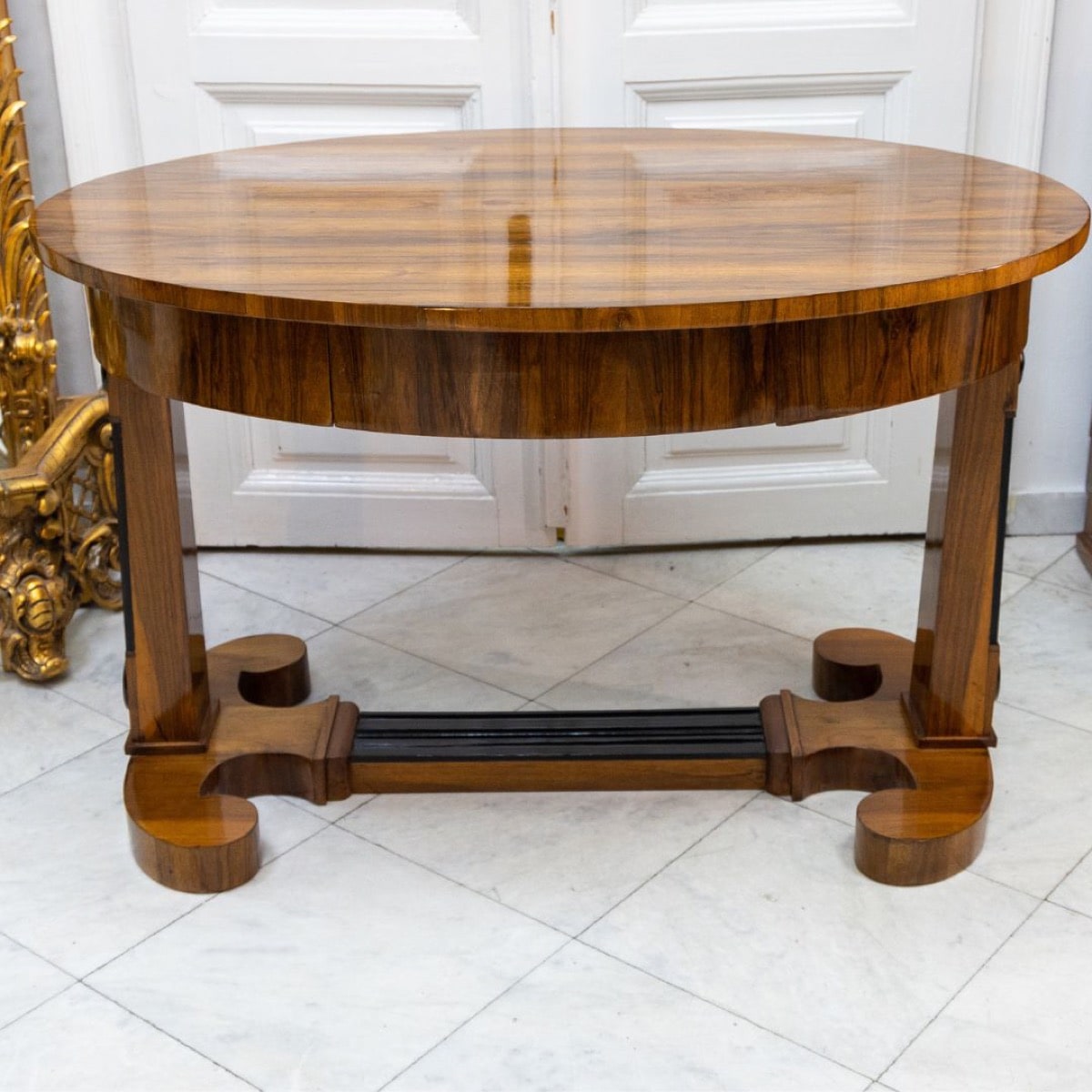
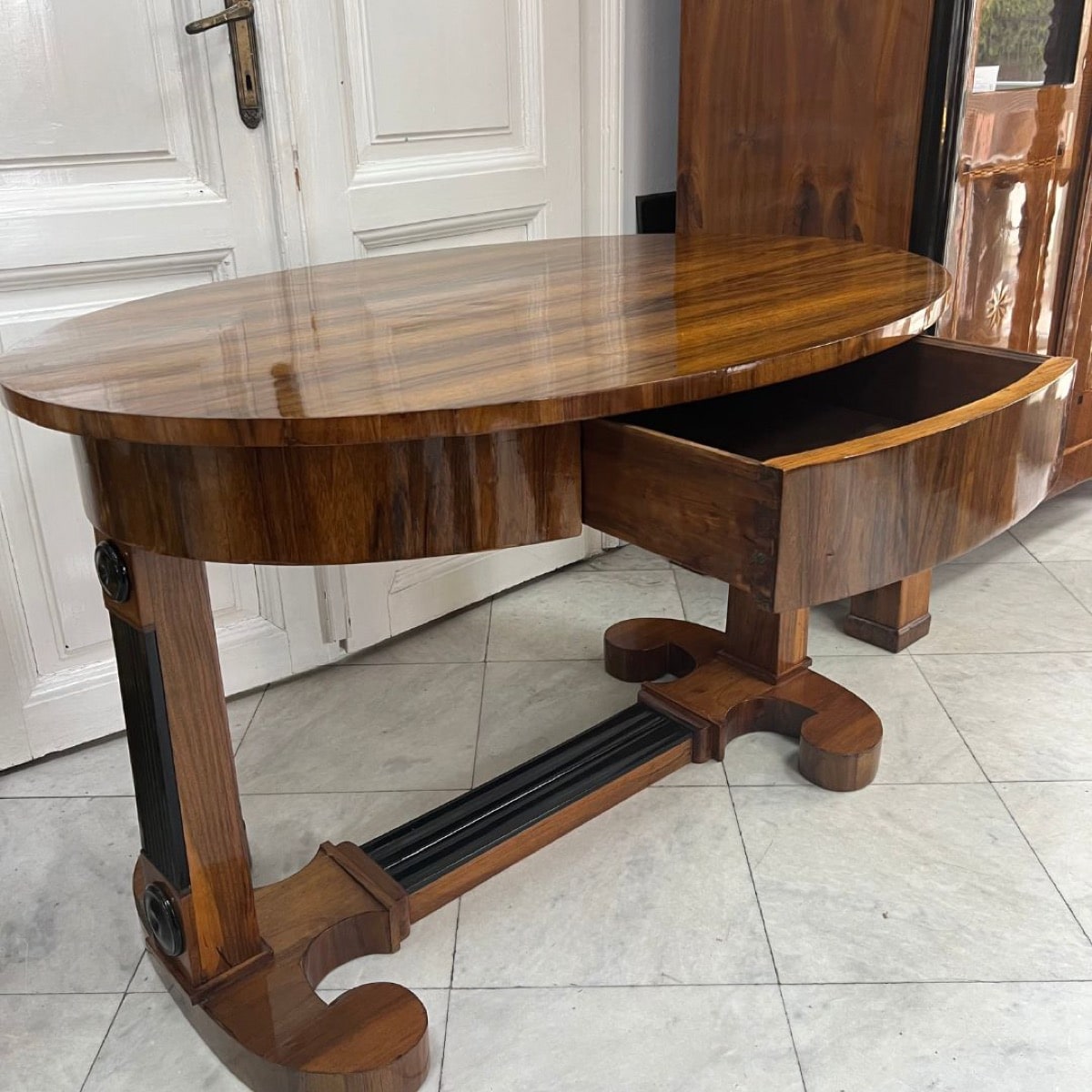
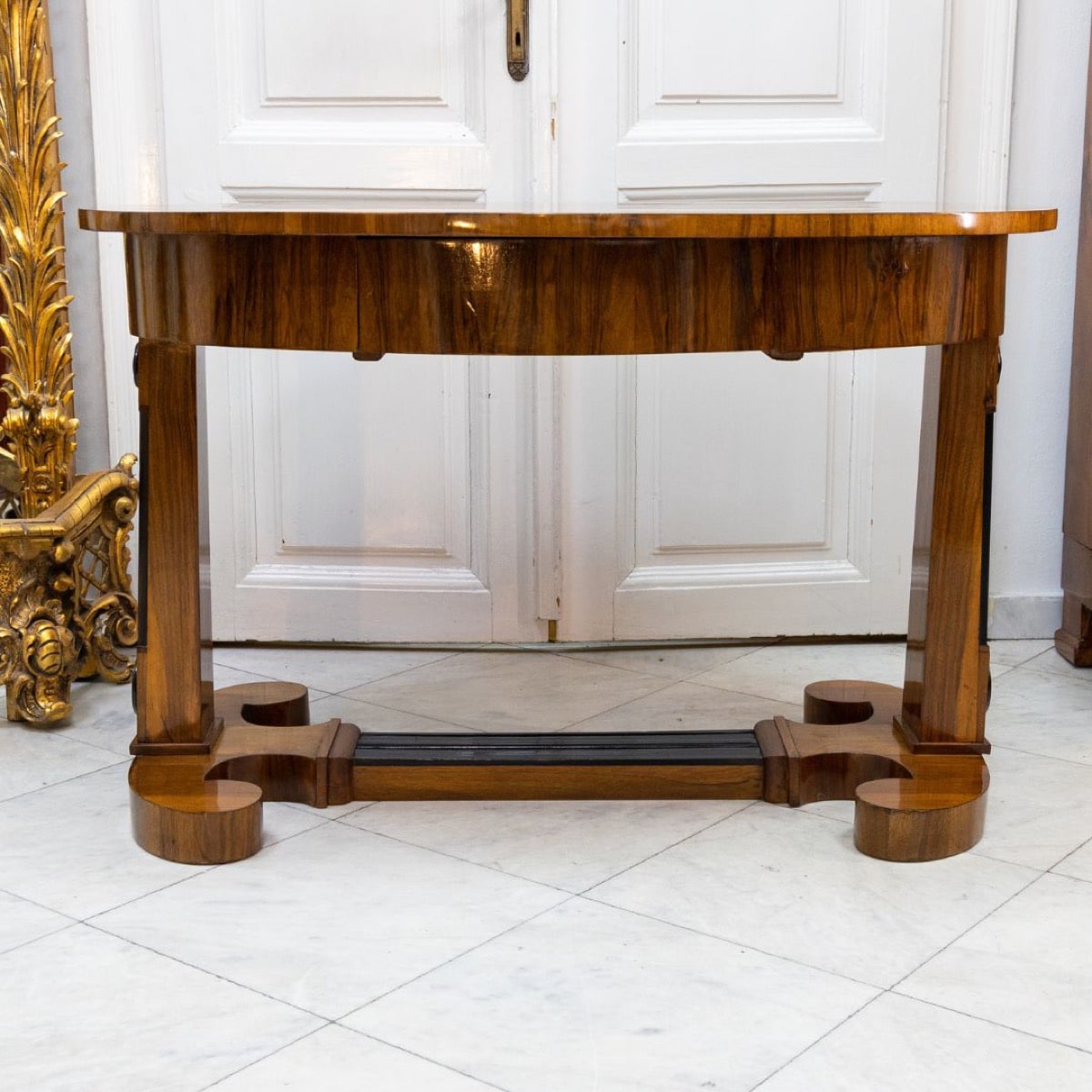
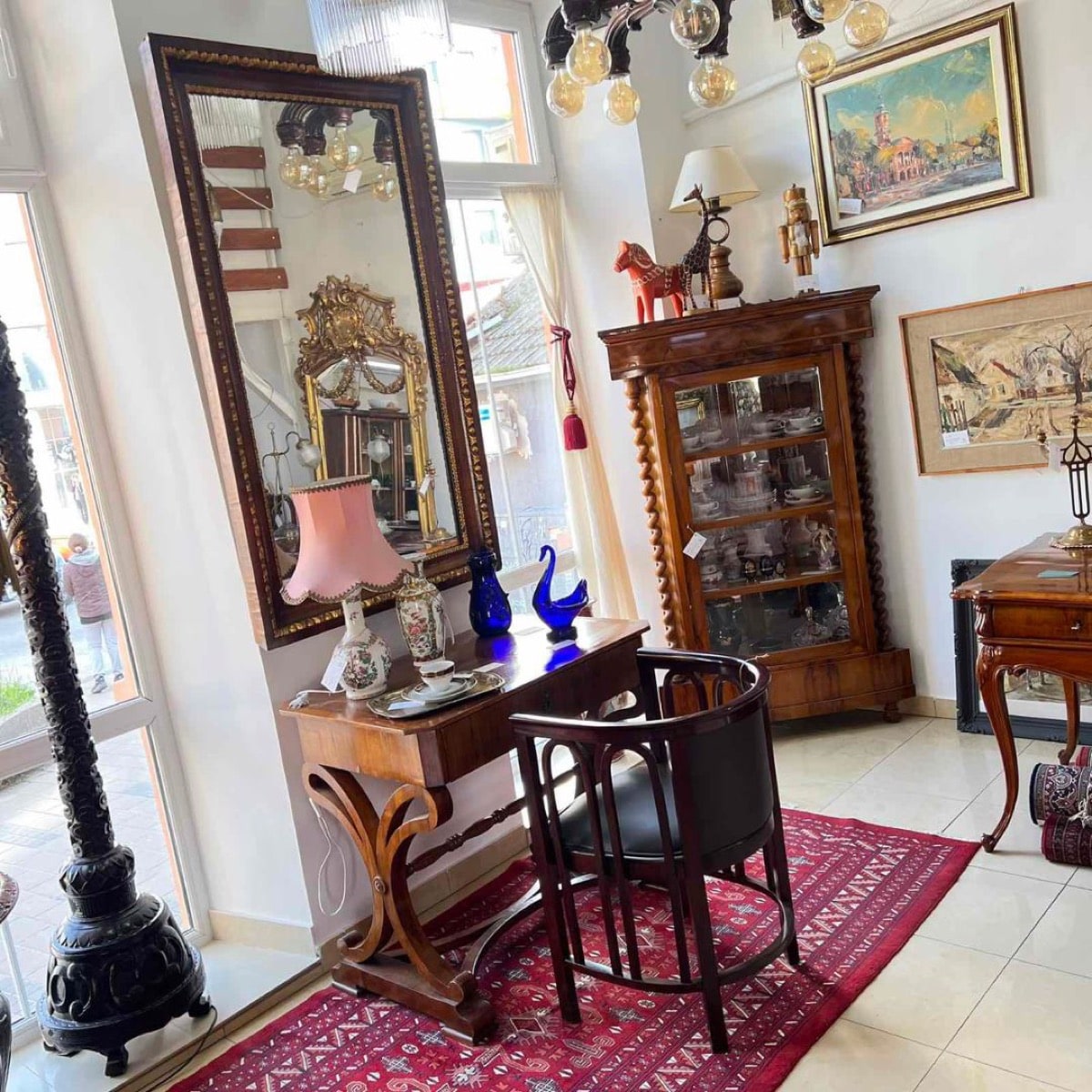
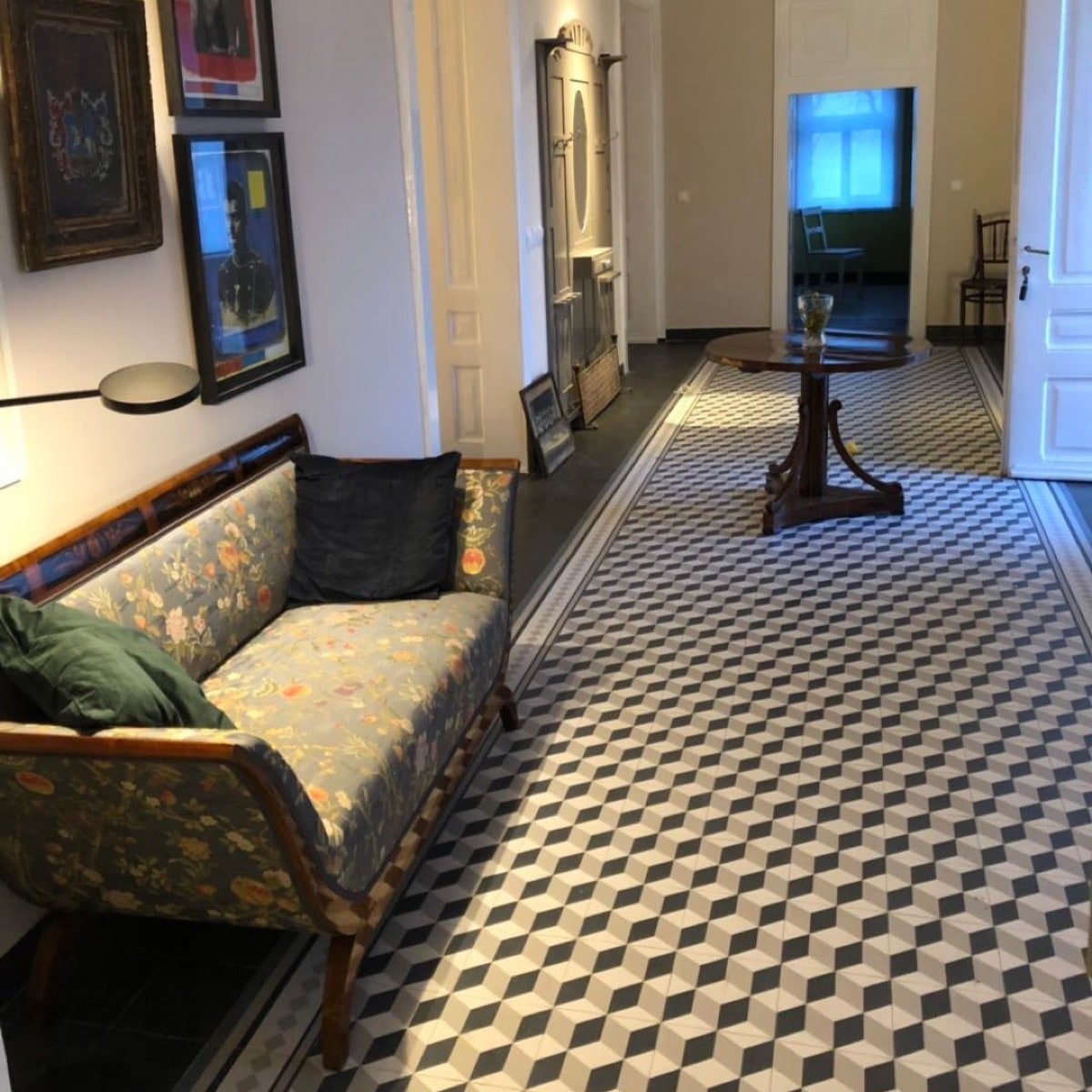
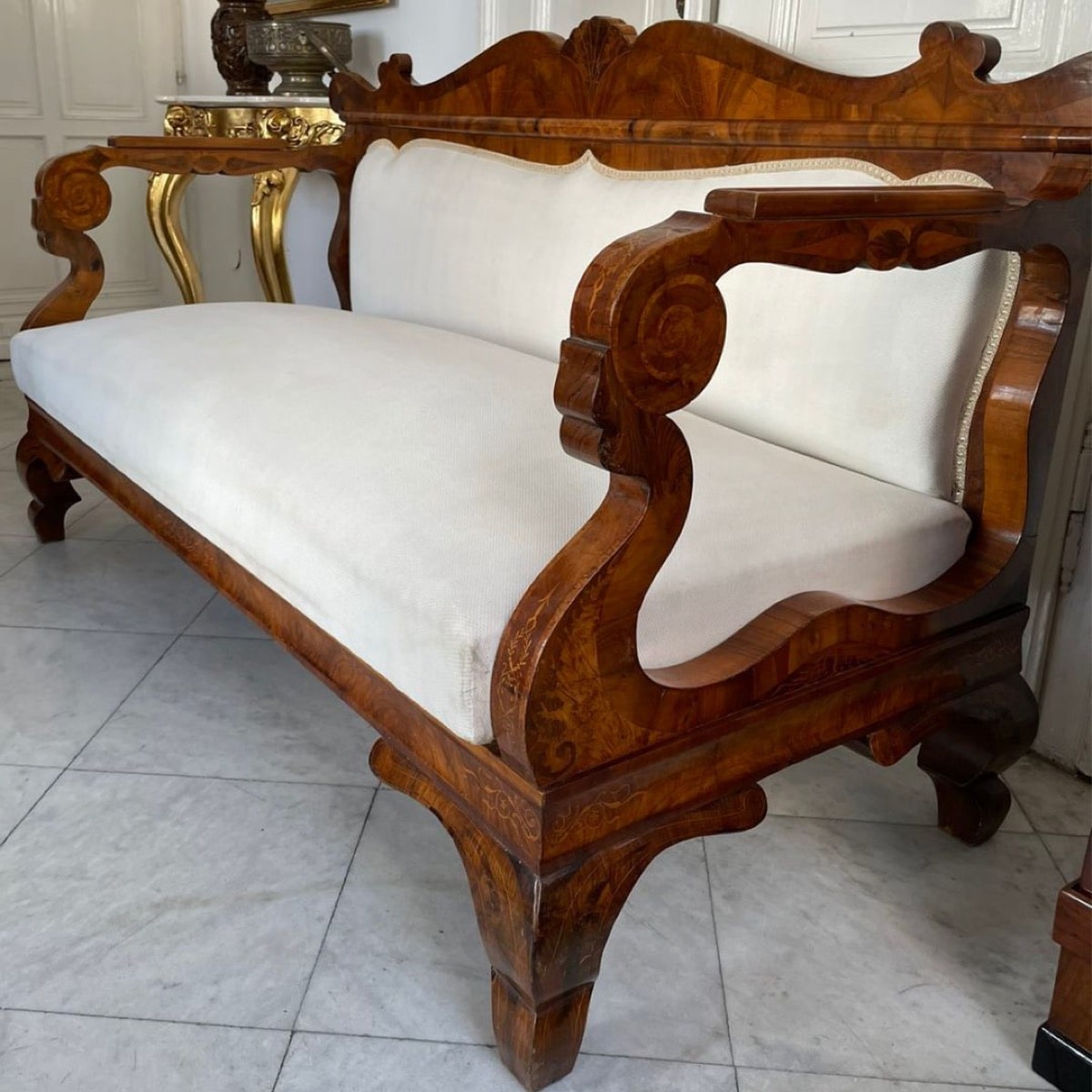
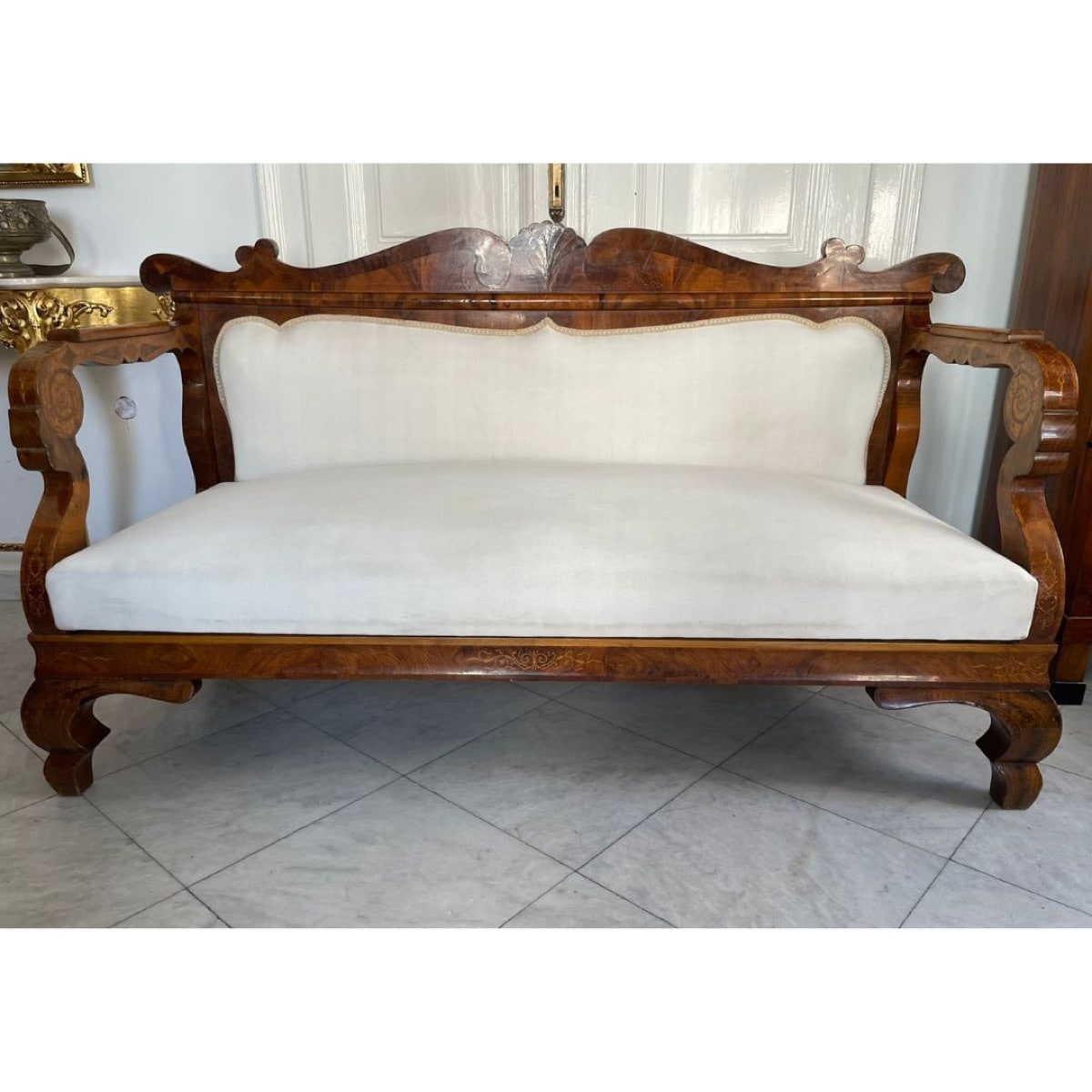
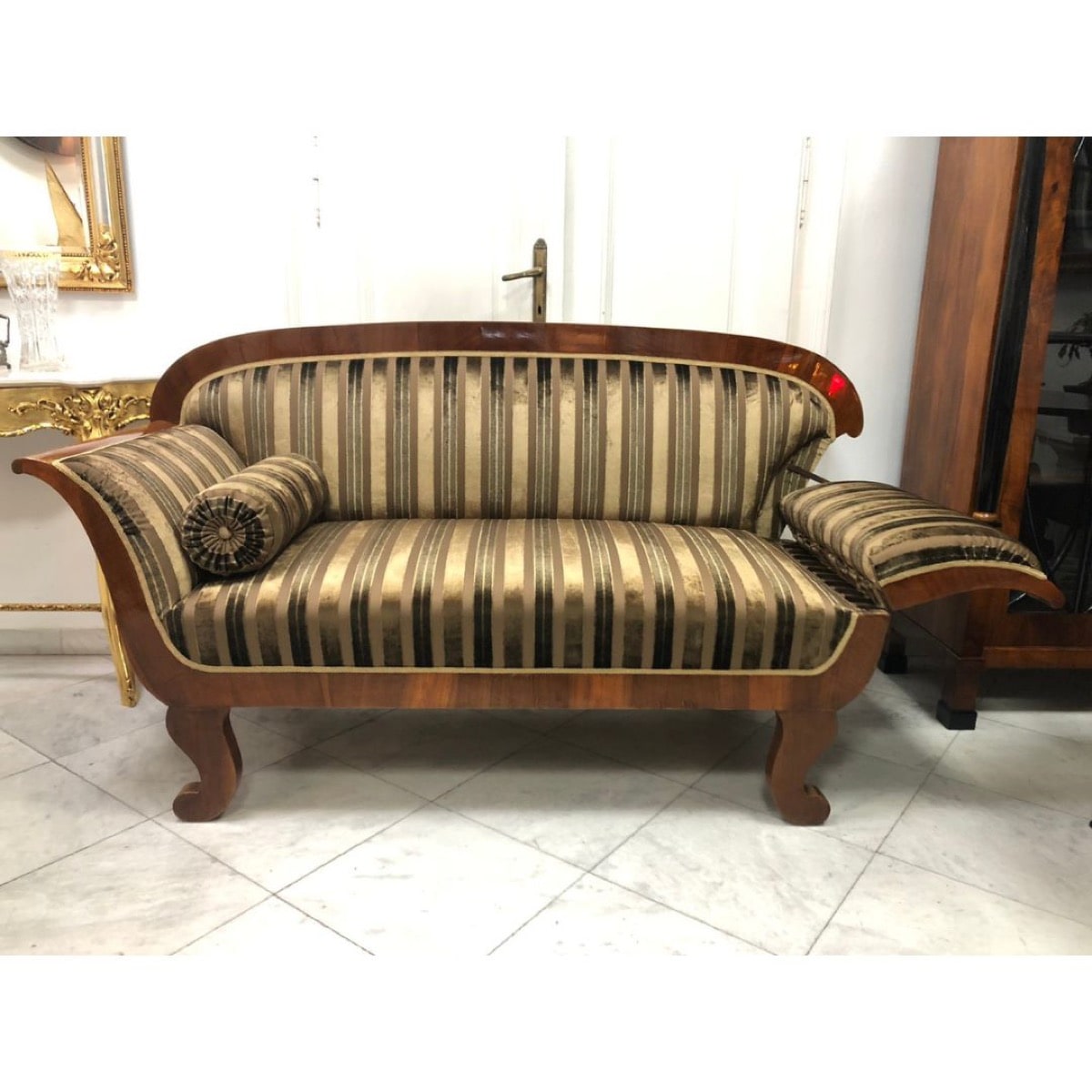
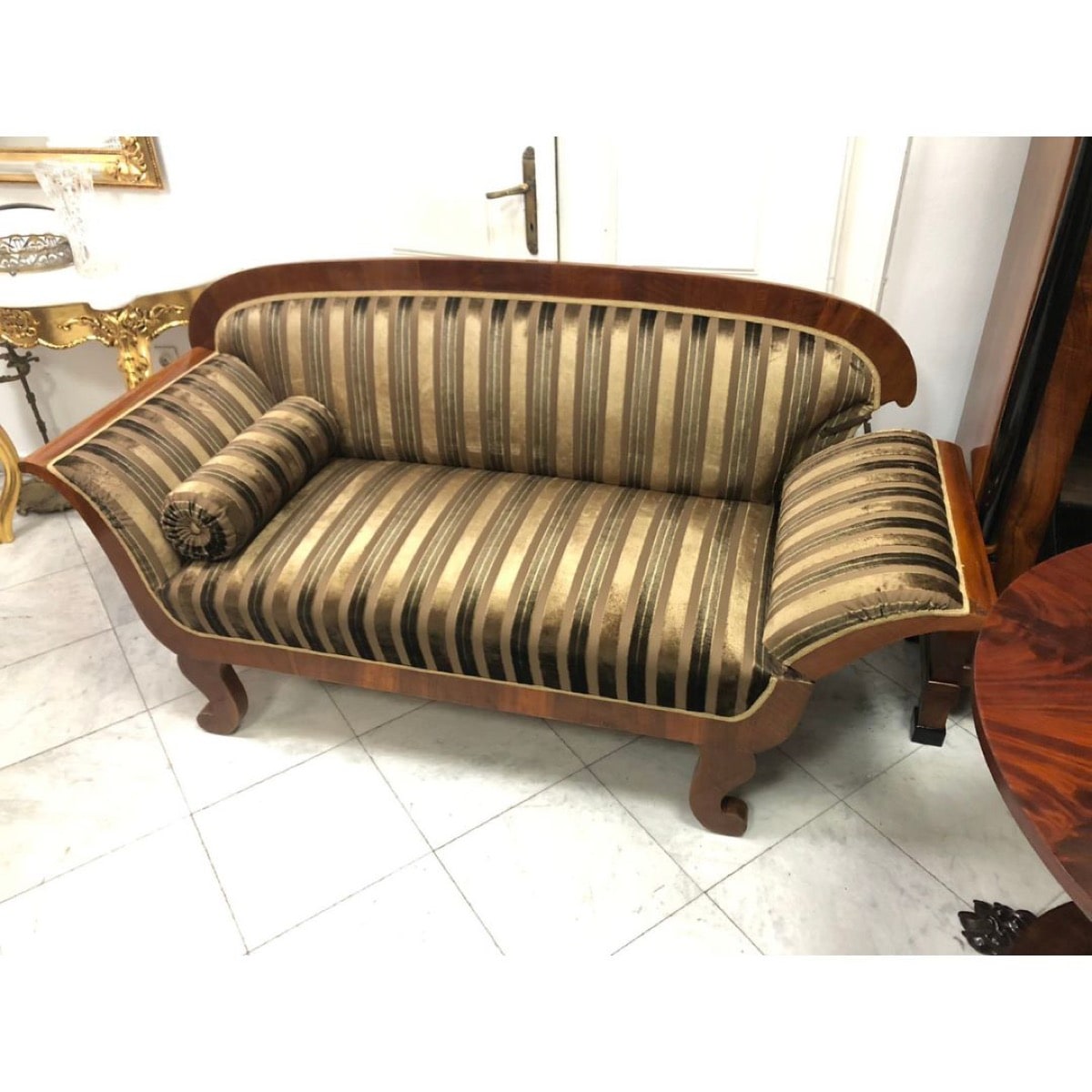
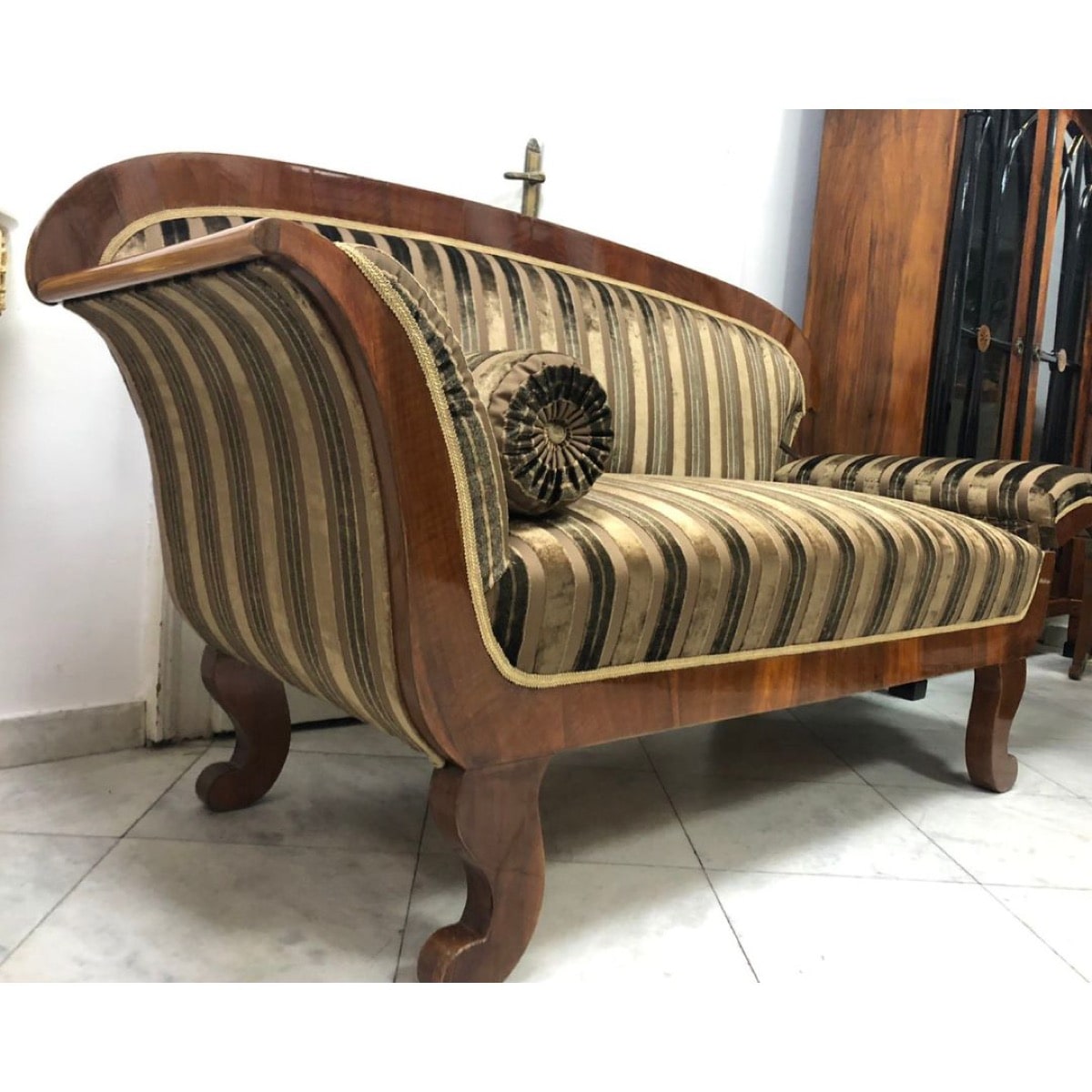
Biedermeier takes the forms of the Empire style but softens them by introducing rounded lines. Gilded bronze is disappearing as are lion claws, sphinxes, swan necks and marble slabs. It gives way to rounded shapes that gently intertwine with gentle curved lines and drawings that show the sensibility of an artistic carpenter. These elegant and fluid contours come to the fore and the impression it leaves can be surprisingly modern. The furniture is functional and comfortable and can seem simple compared to the monumental or flamboyant furniture of previous eras.
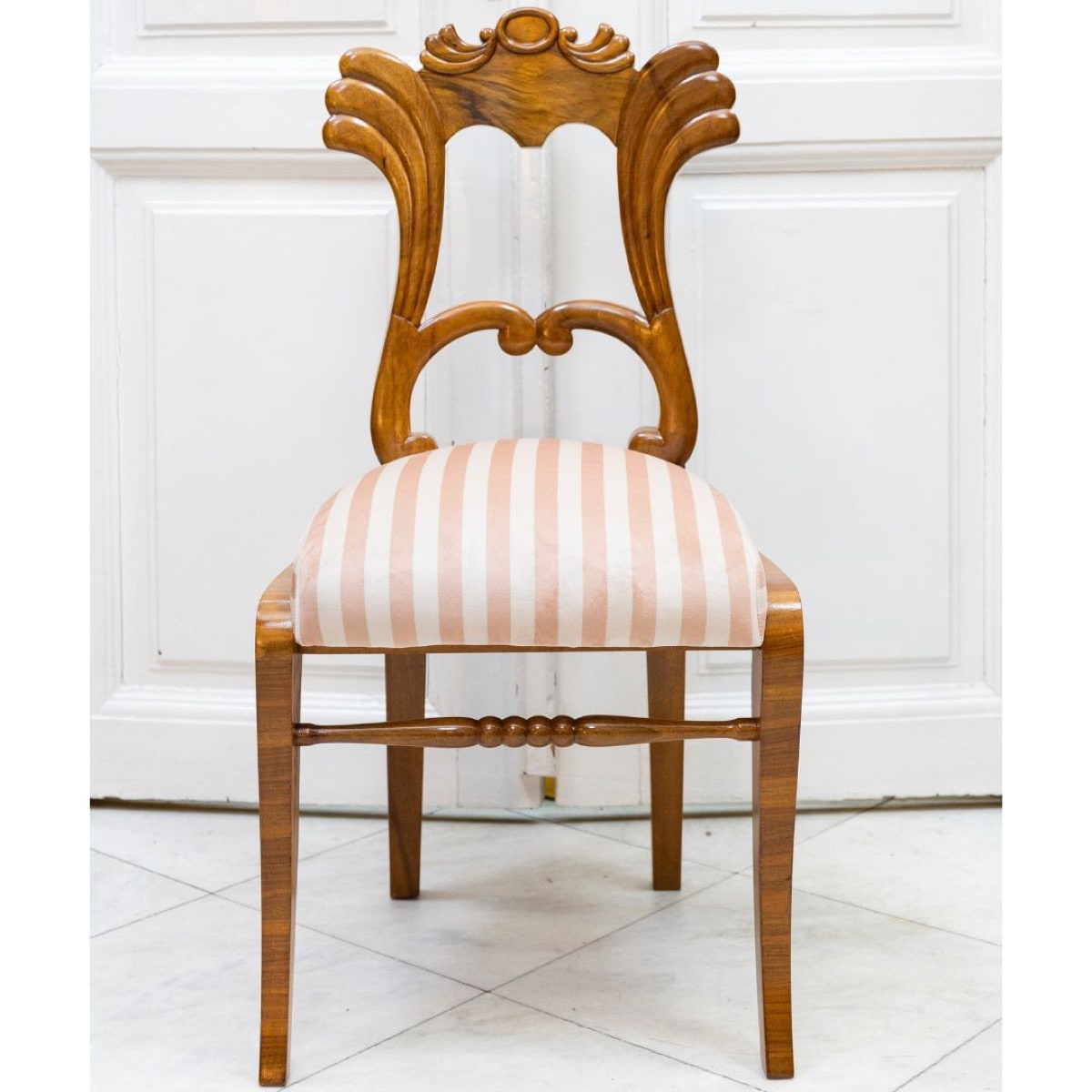
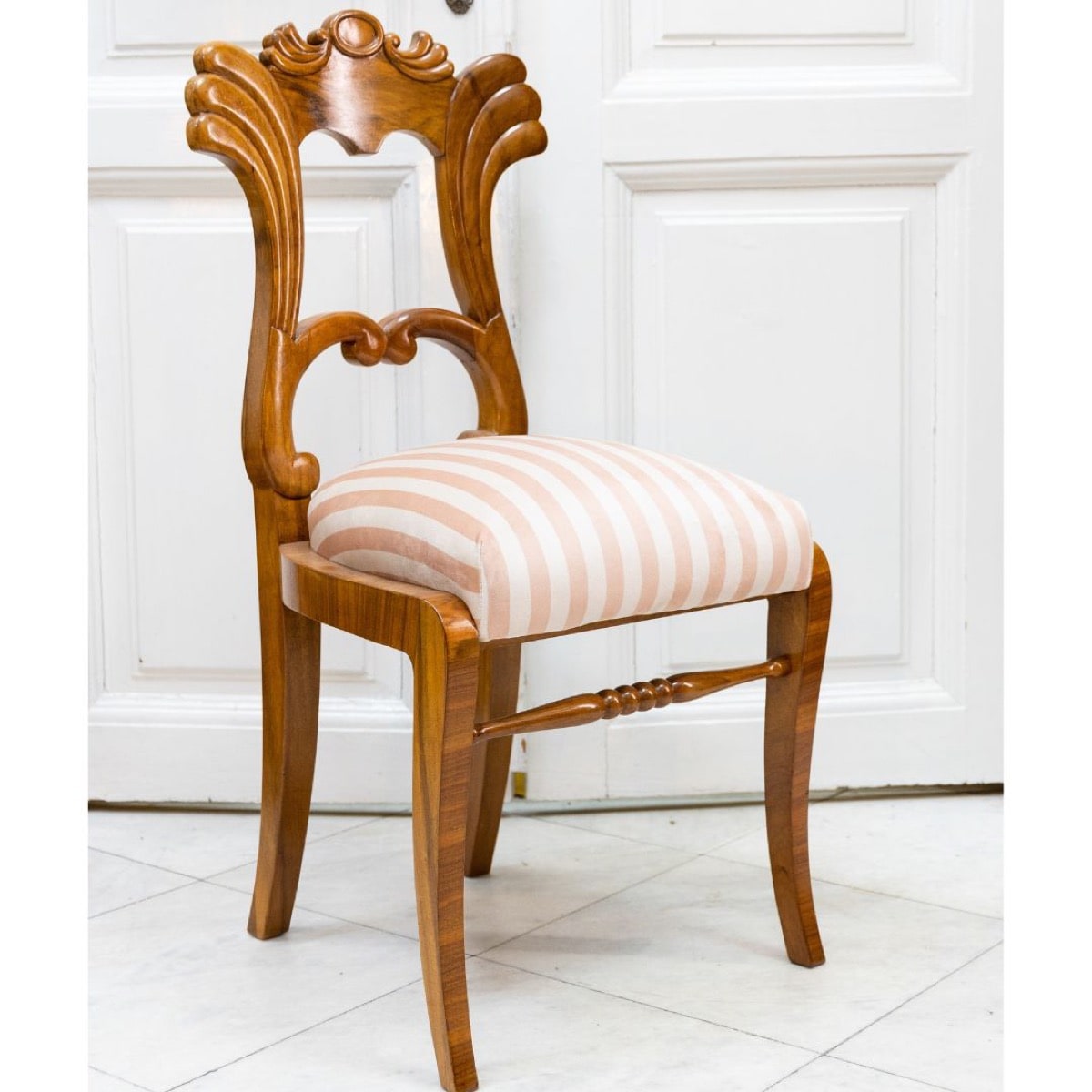
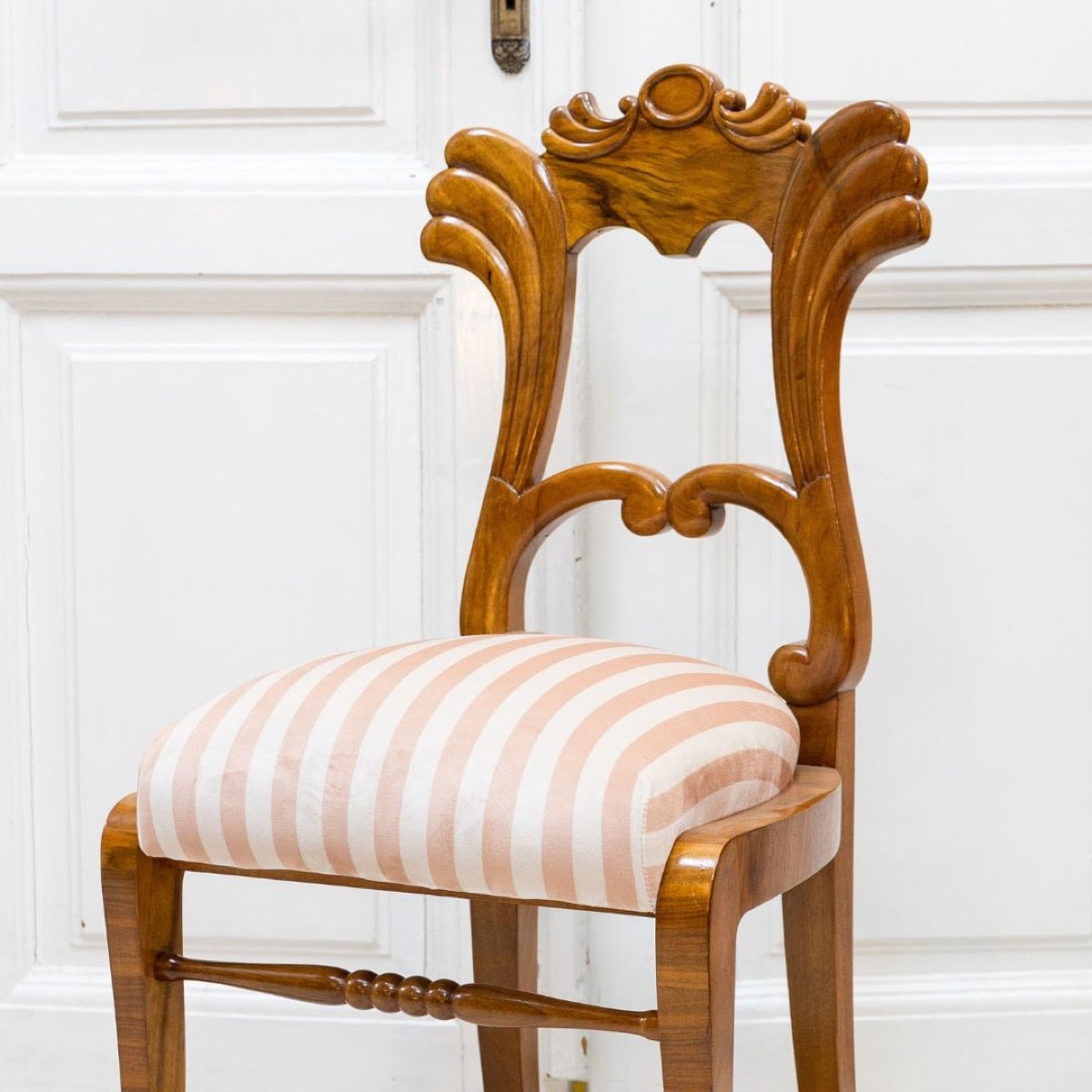
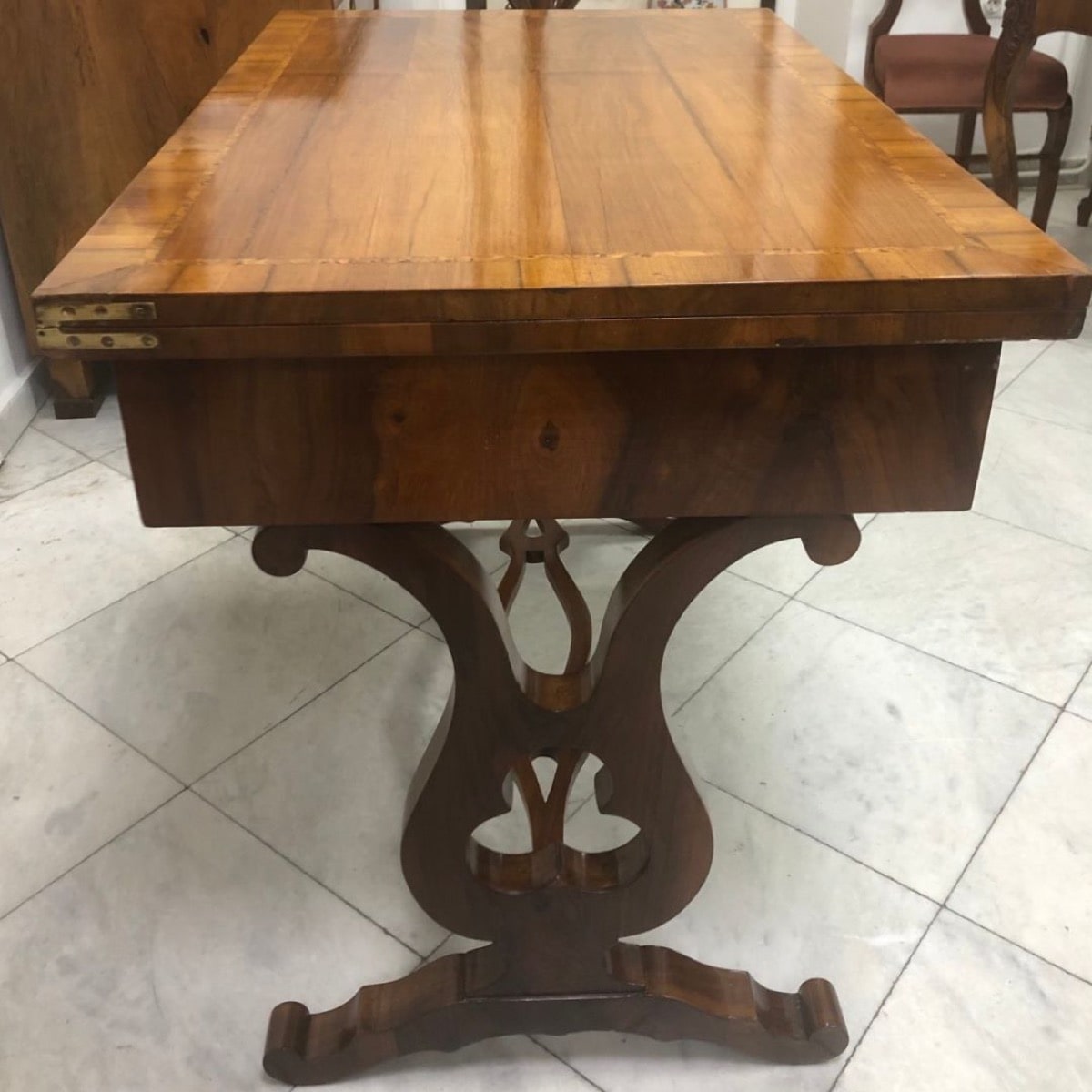
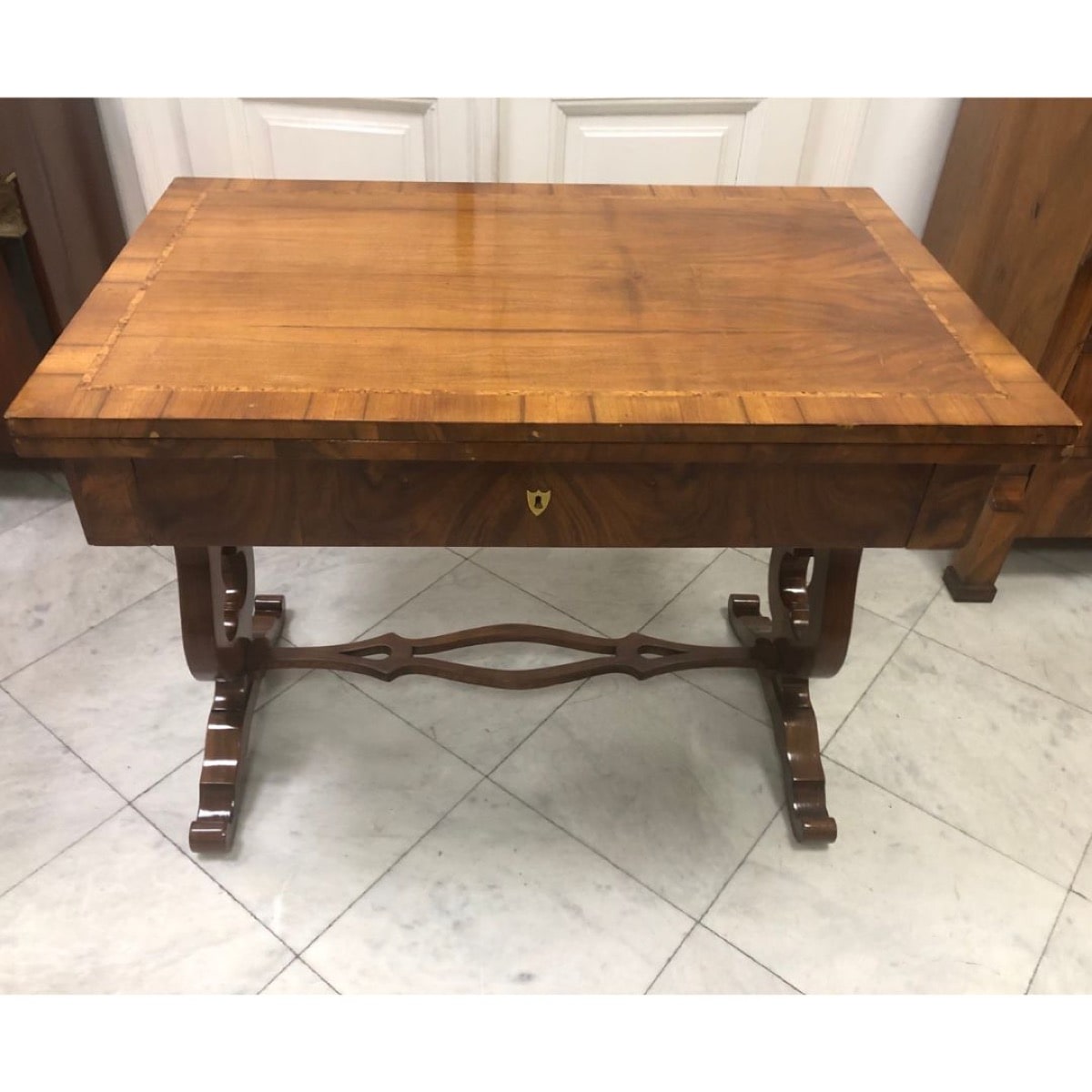
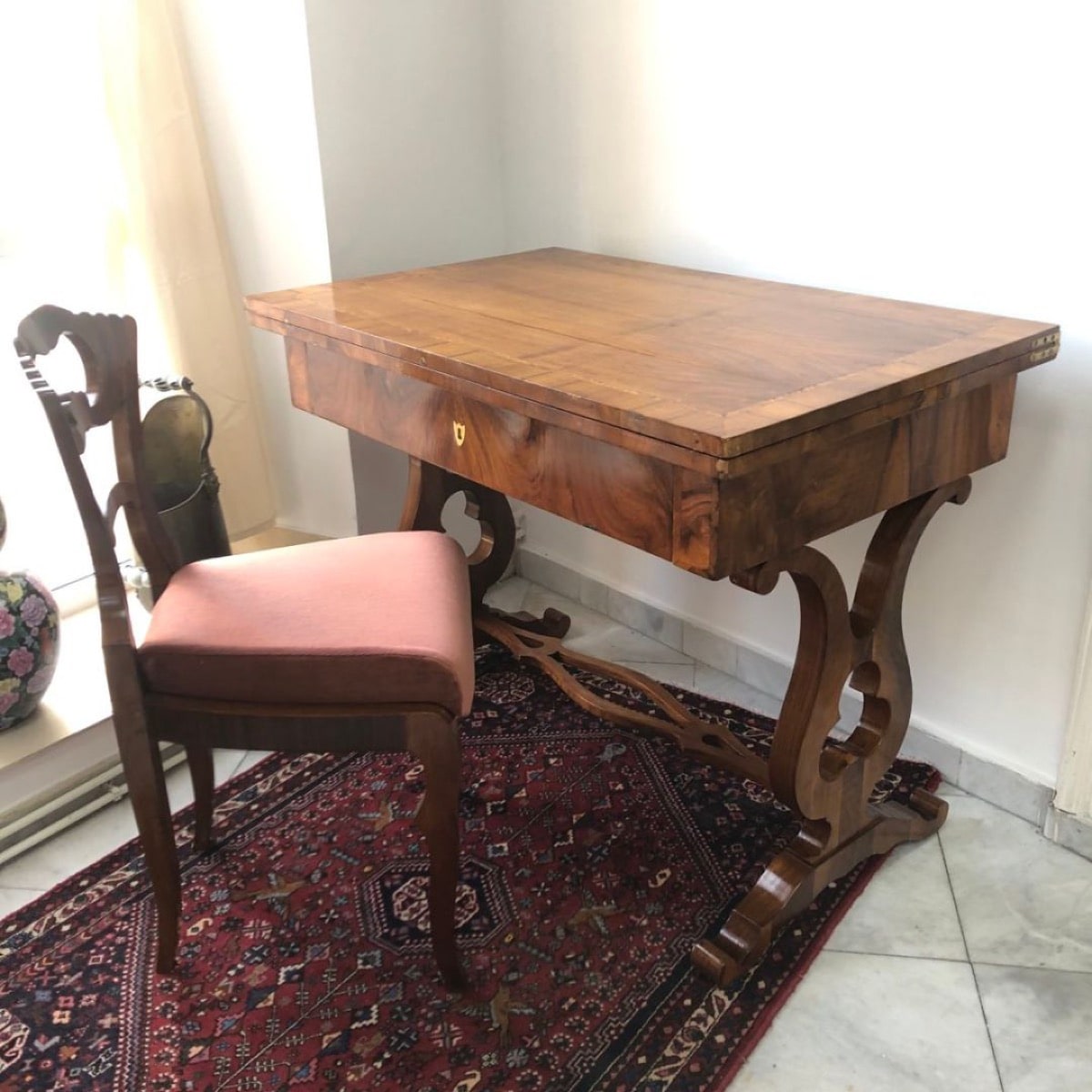
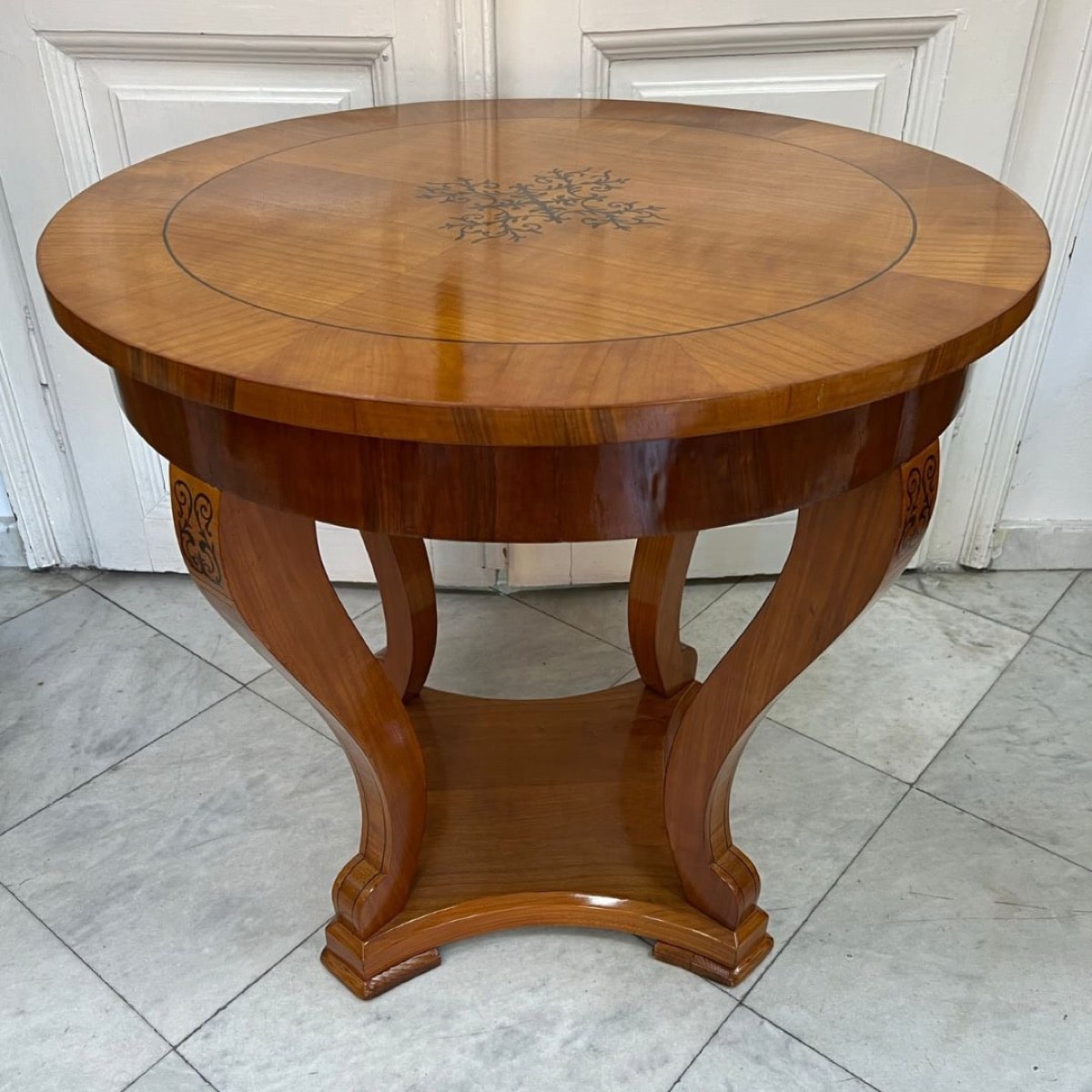
Pieces of furniture with rounded lines, such as tables, chairs and sofas, is characterized by a combination of curves and counter-curves, which achieves a dynamic effect, and these pieces are particularly original and elegant. The tendency to oppose concave and convex curved contours is also reflected in the popularity of the lyre shape, which often appears in the form of small table sturts or on the backs of chairs.

Decor
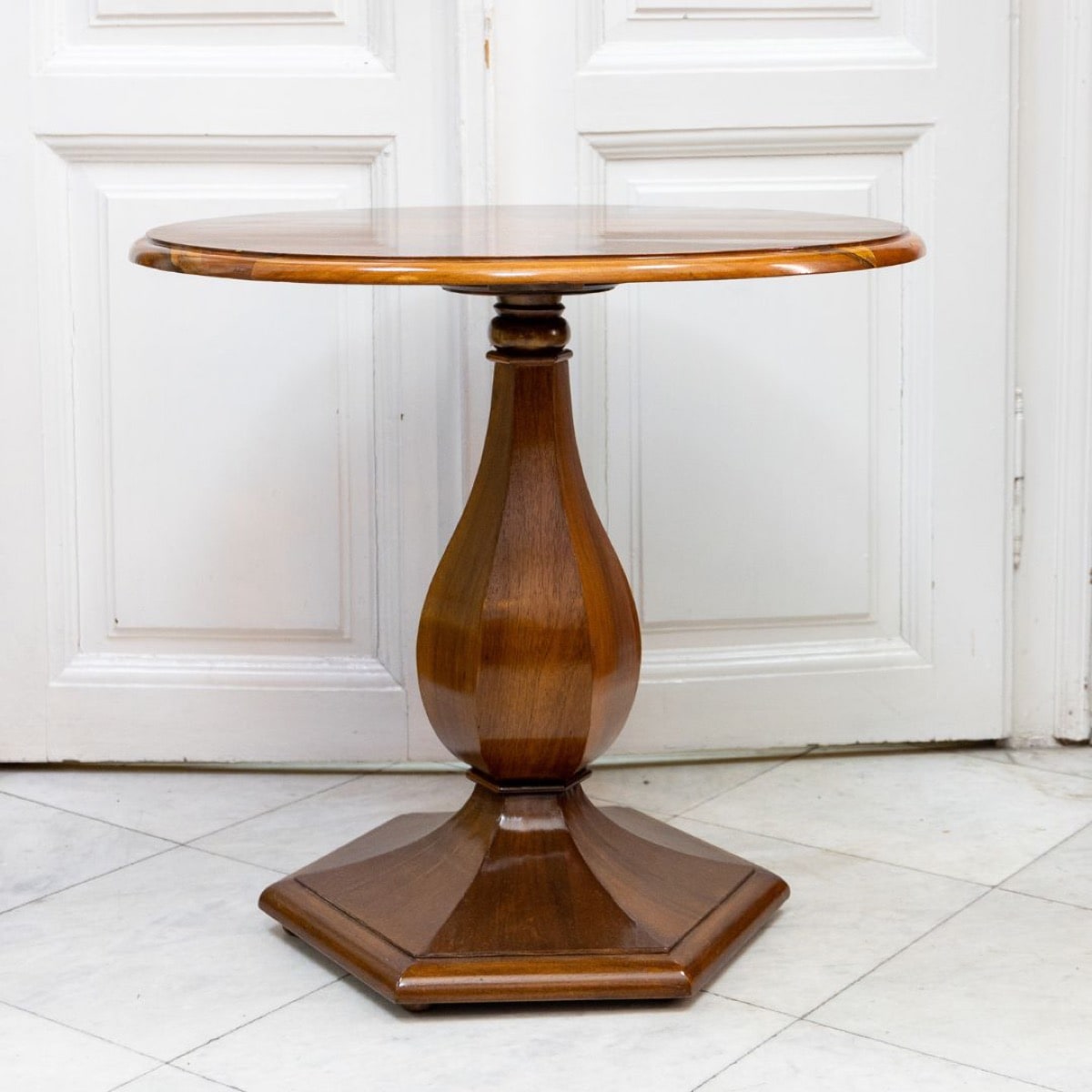
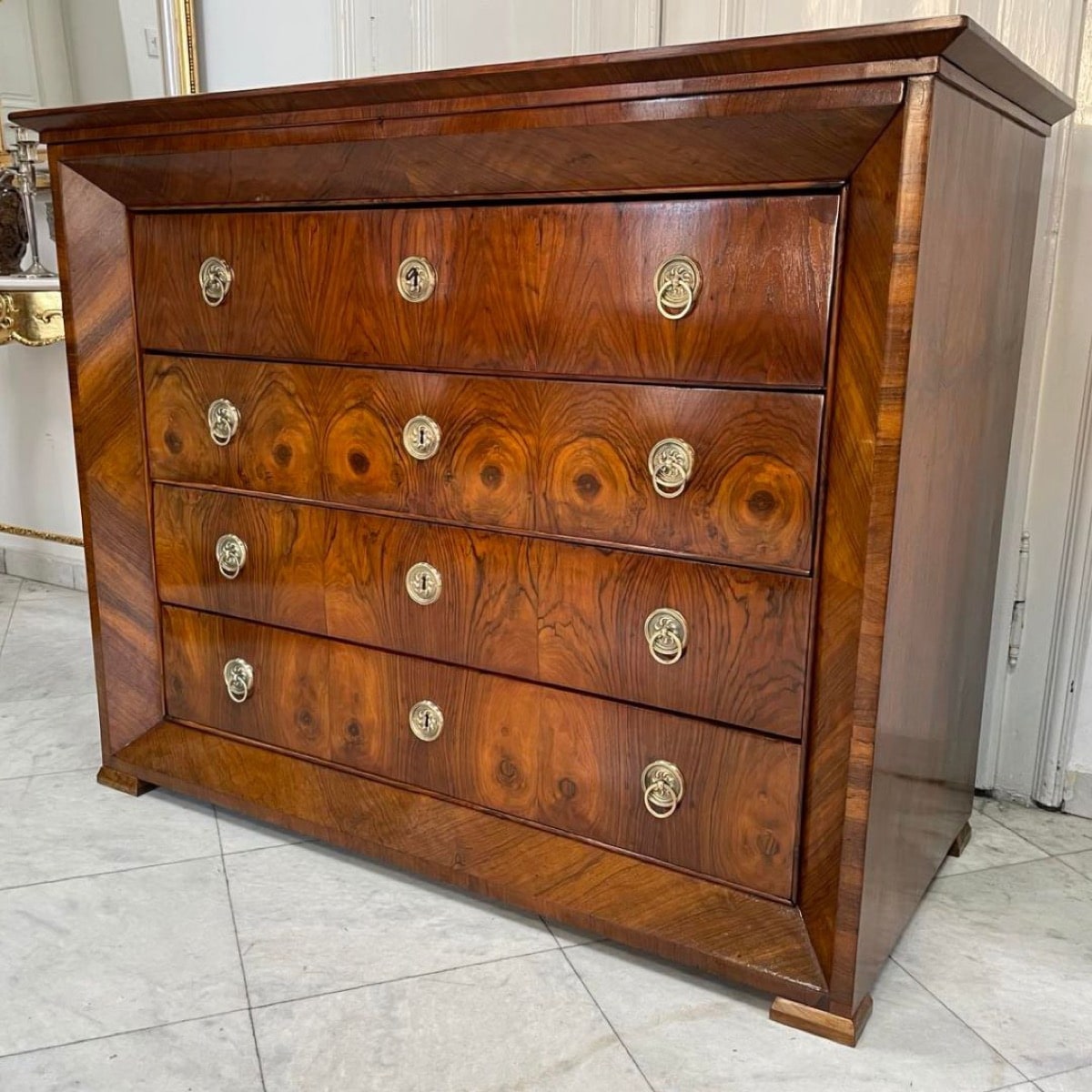
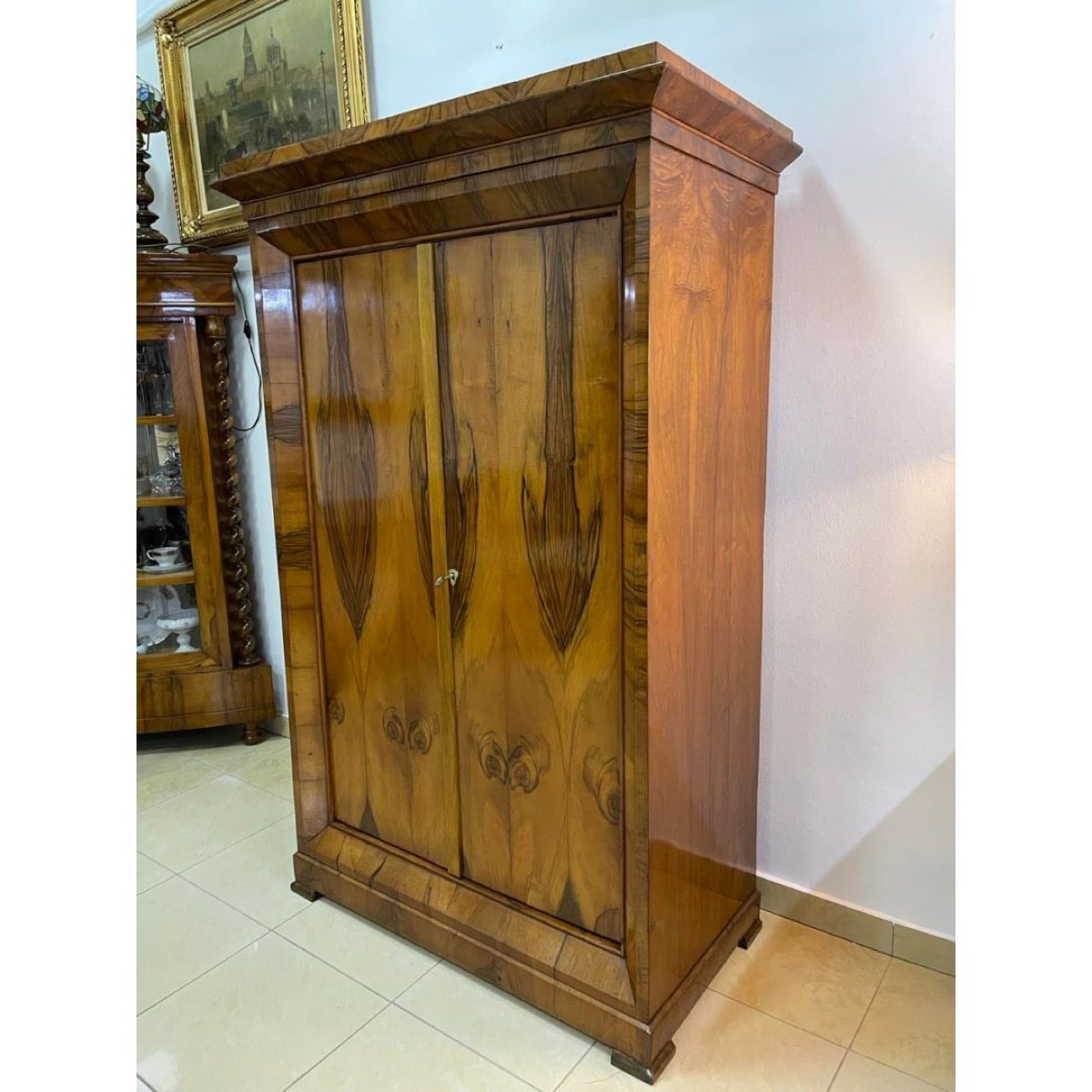
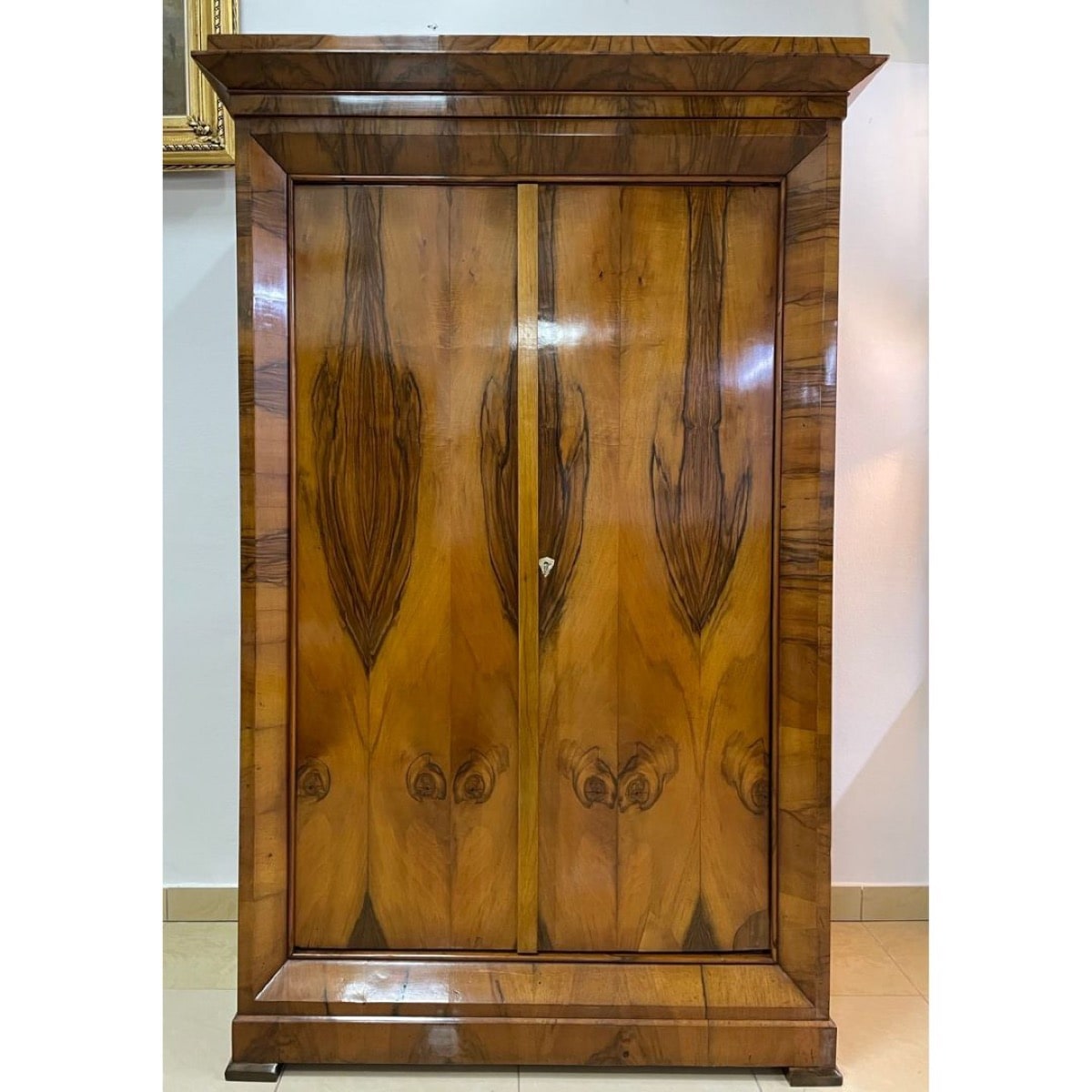
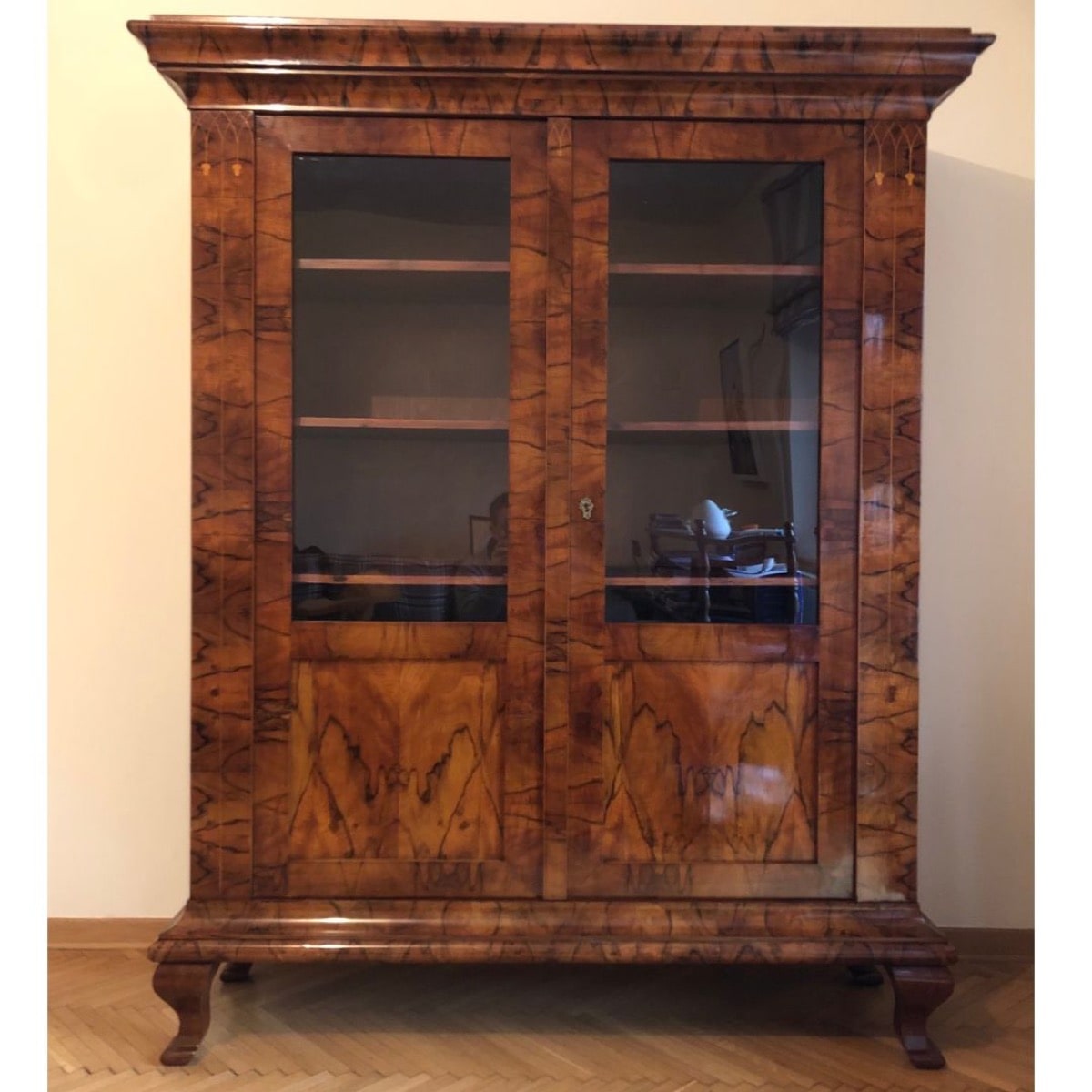
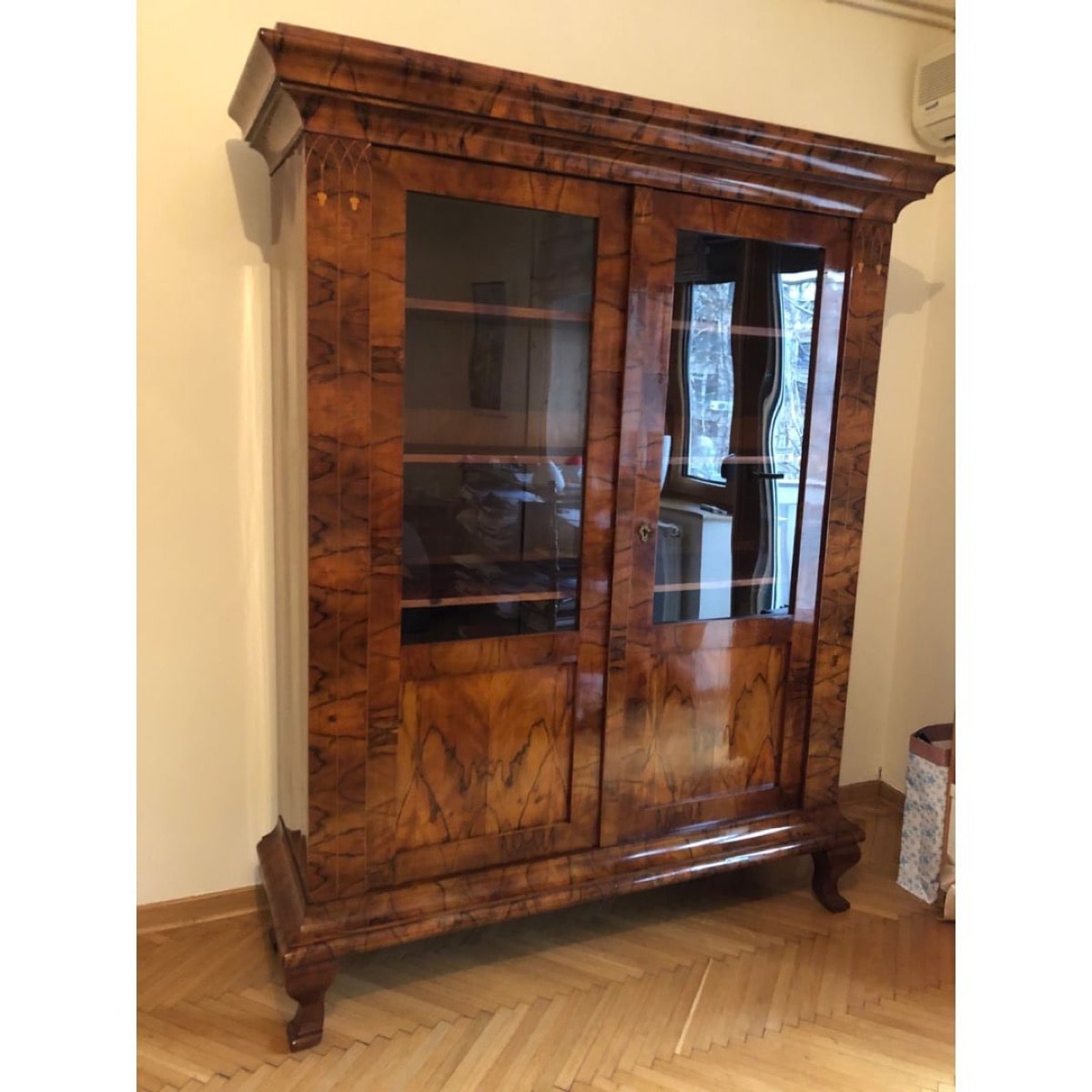
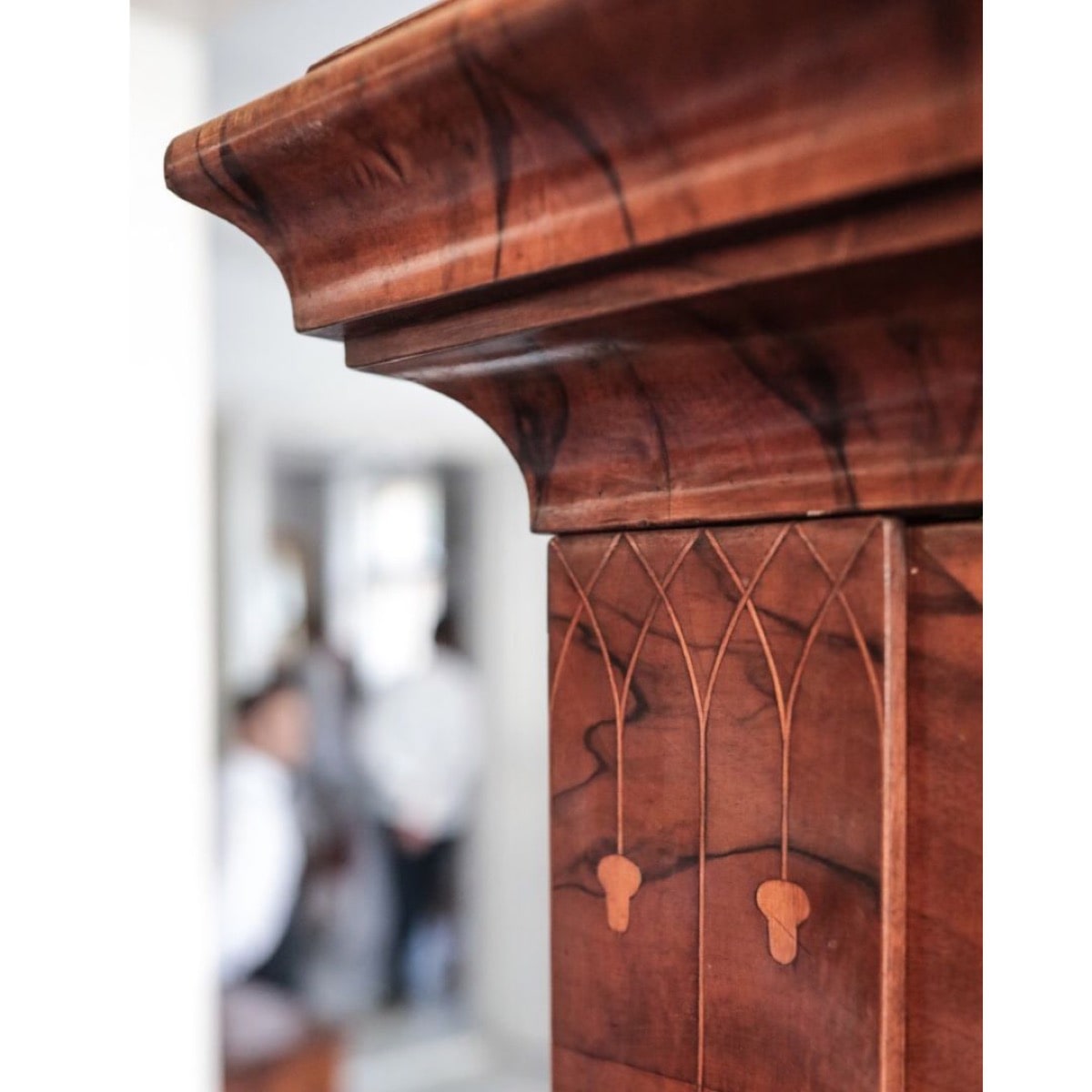
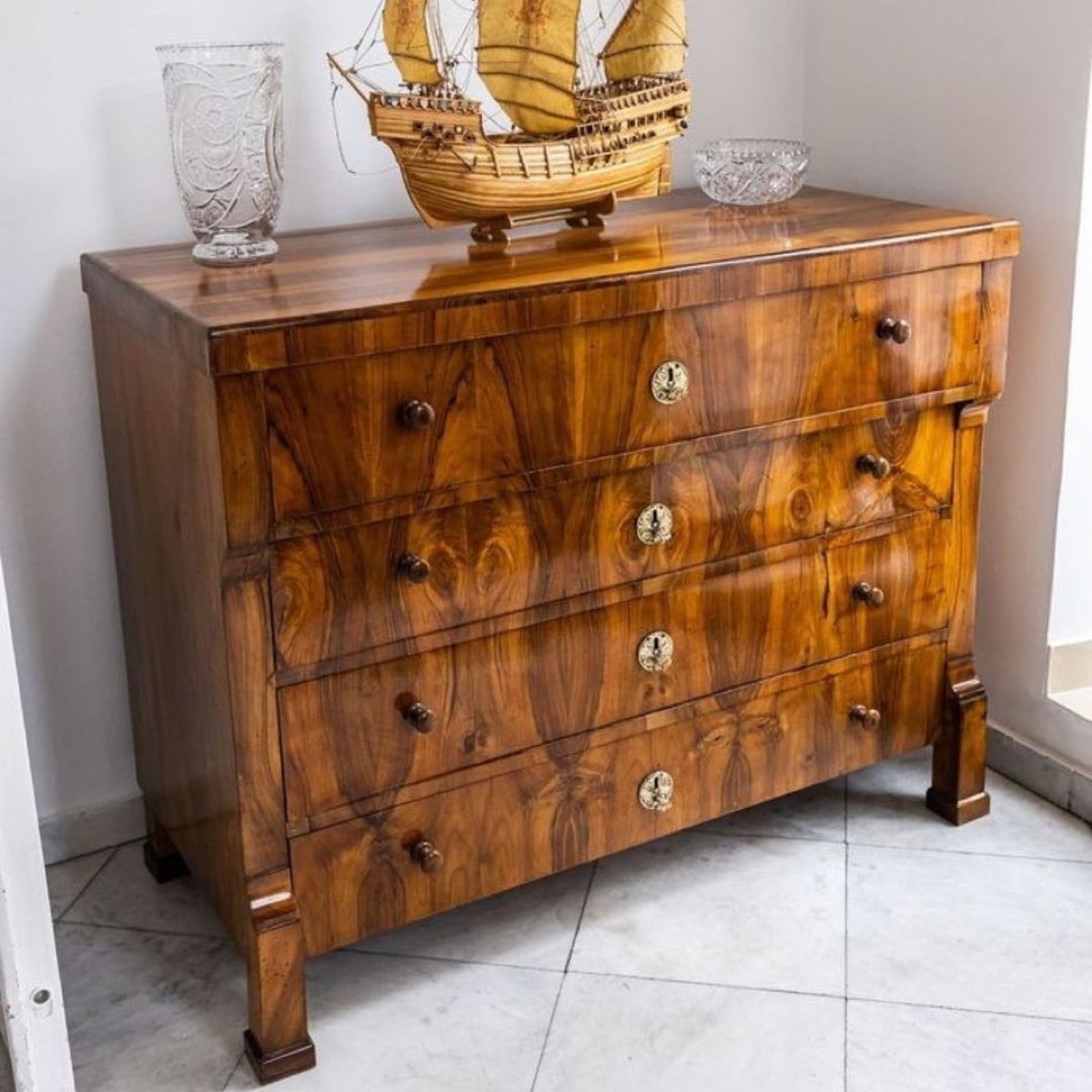
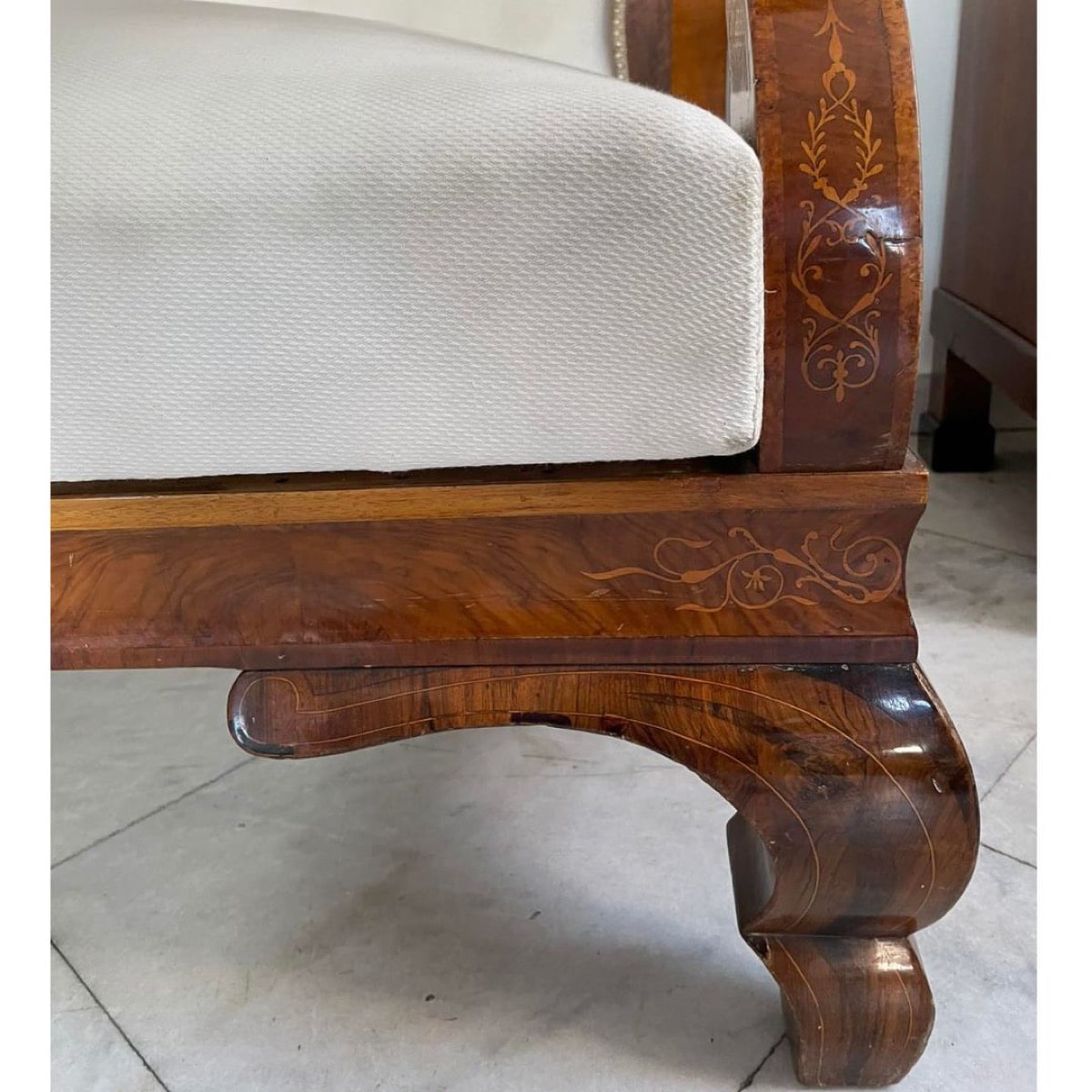
The most used decoration for Biedermeier furniture is wood itself. Its patterns are adjusted very carefully. Biedermeier requires wood vivid in color, strong, and can be distributed symmetrically around a center line. Mahogany was initially used to make furniture in the Biedermeier style, but soon local types of wood came into use: walnut, cherry, pear, ash, maple and birch. The high-gloss polish fully highlights the beauty of the natural wood patterns. Intarsia, as a decoration technique, was used in the form of delicate, thin linear motifs in a contrasting shade in relation to the tone of the base.

Materials and colours
Biedermeier, in relation to the Empire style, gives priority to bright and shiny colors. Comfort and functionality are the most important features of Biedermeier furniture. The interior was decorated with white curtains, the walls are painted in light, pastel colours or covered with a fabric that matches the material used to upholster the furniture, the most popular being a fabric with two-color lines and small floral motifs. There are portraits of the occupants and watercolours with interior and landscape motifs on the walls, and the rooms are tastefully decorated with porcelain, Bohemian glass and silver.
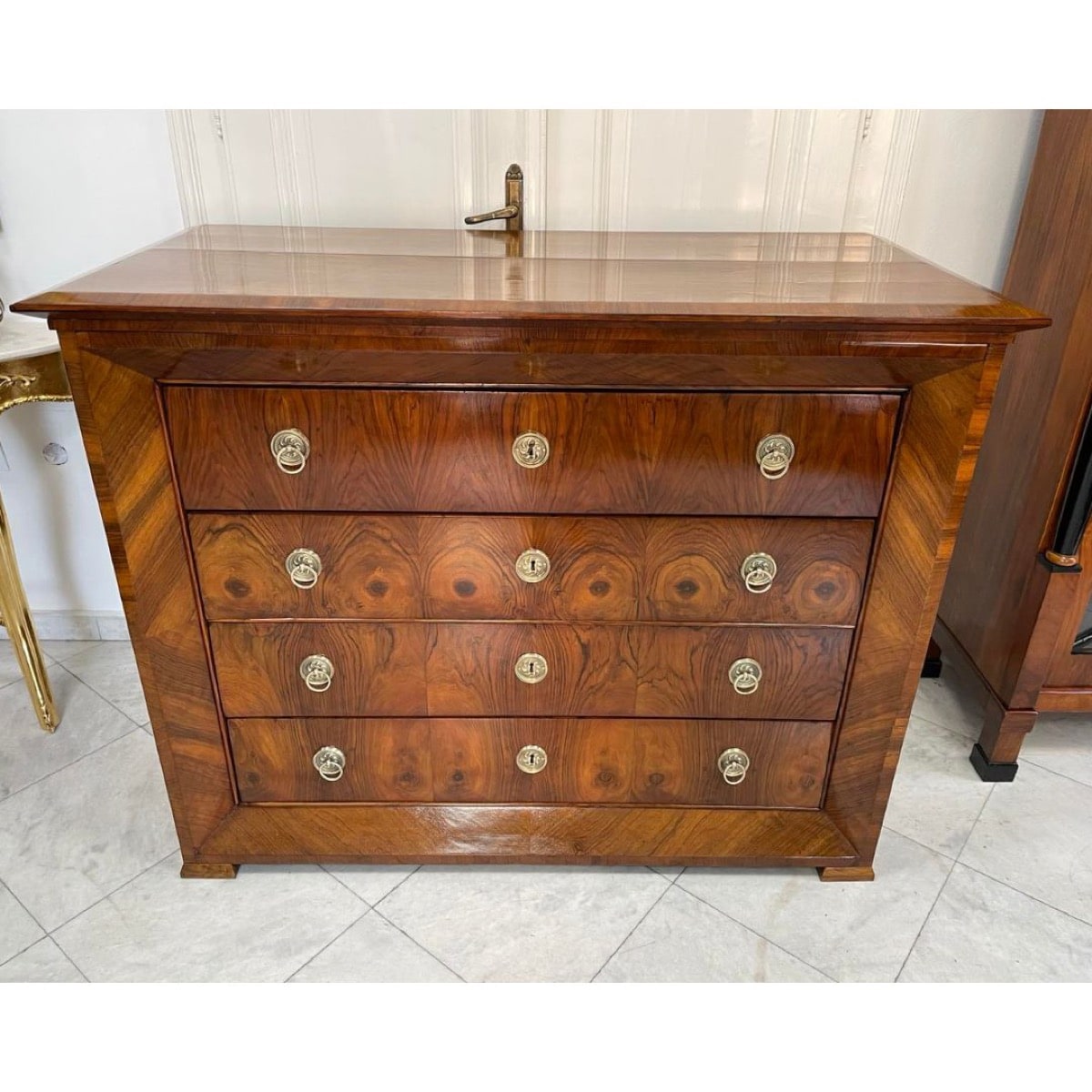
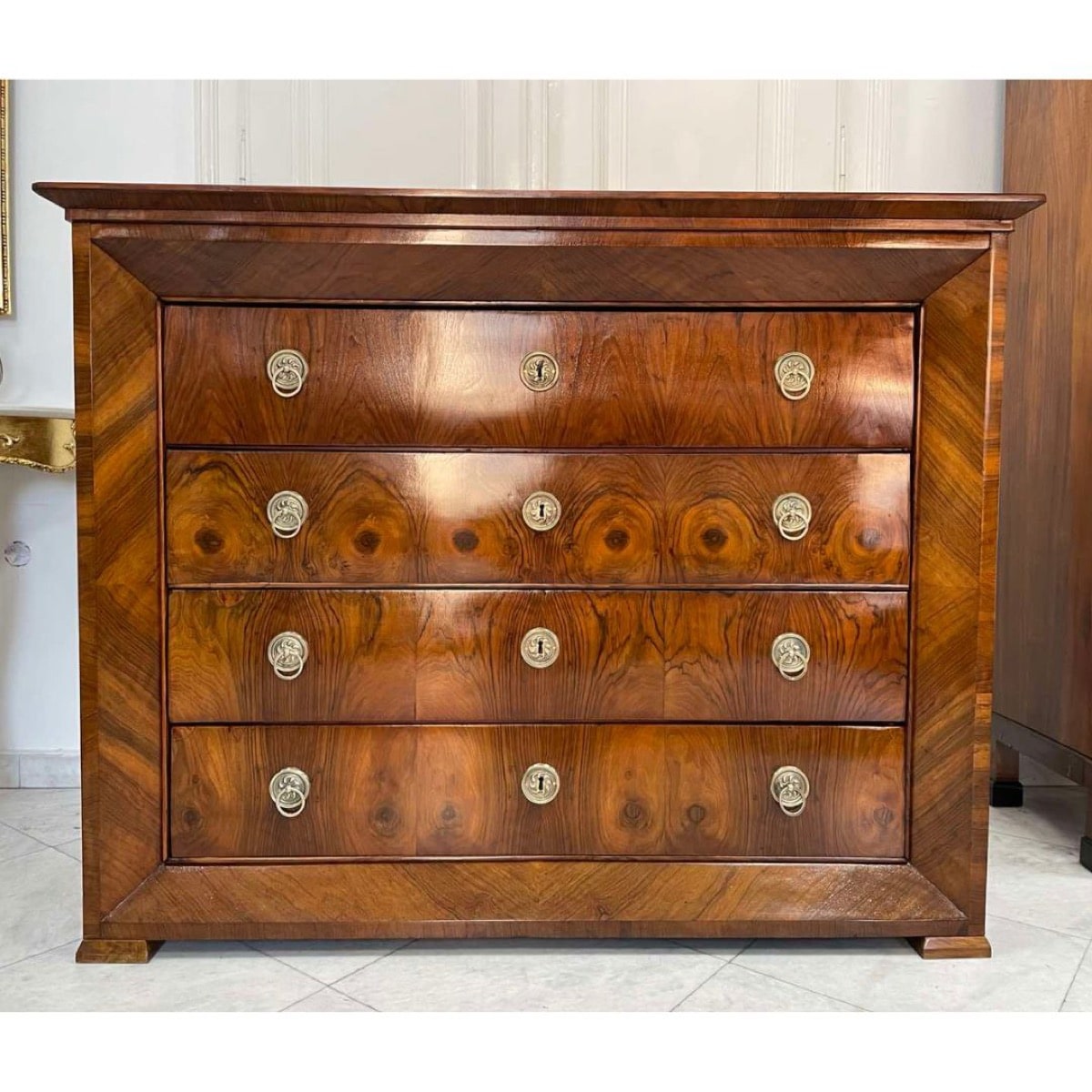
The chest of drawers is a typical piece of furniture in the Biedermeier style. It was a practical chest of drawers with two functions, the first drawer from the top pulls out and transforms into a desk, revealing small drawers and a central compartment for documents and stationery. The chest of drawers is covered with a walnut veneer with bold tree rings, which gives it a striking decorative effect. The half columns on the front, the slightly curved feet, the inner part of the writing surface and the linear elements between the small drawers are made of wood painted black to imitate ebony. The inner drawers are lined with pear wood veneer.
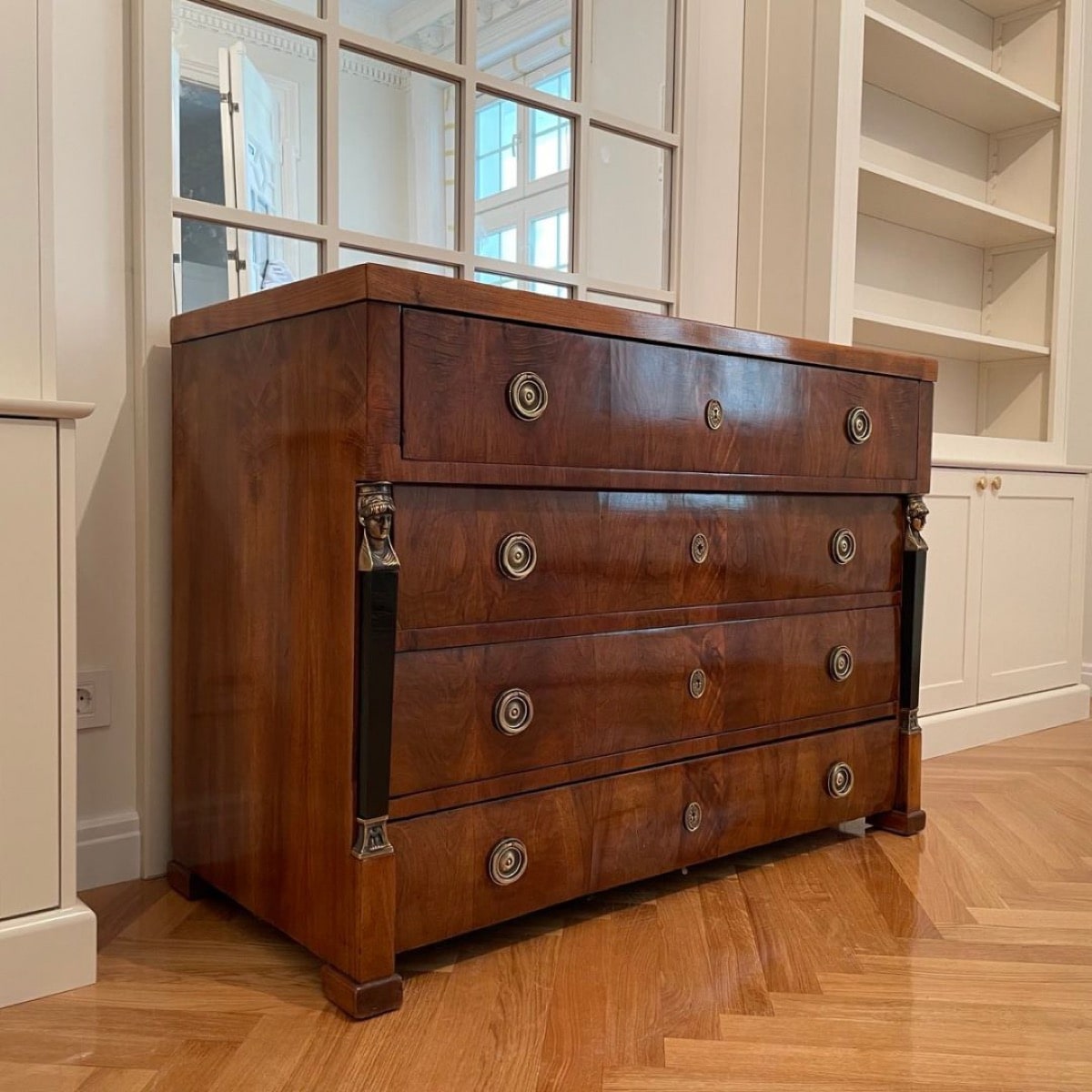
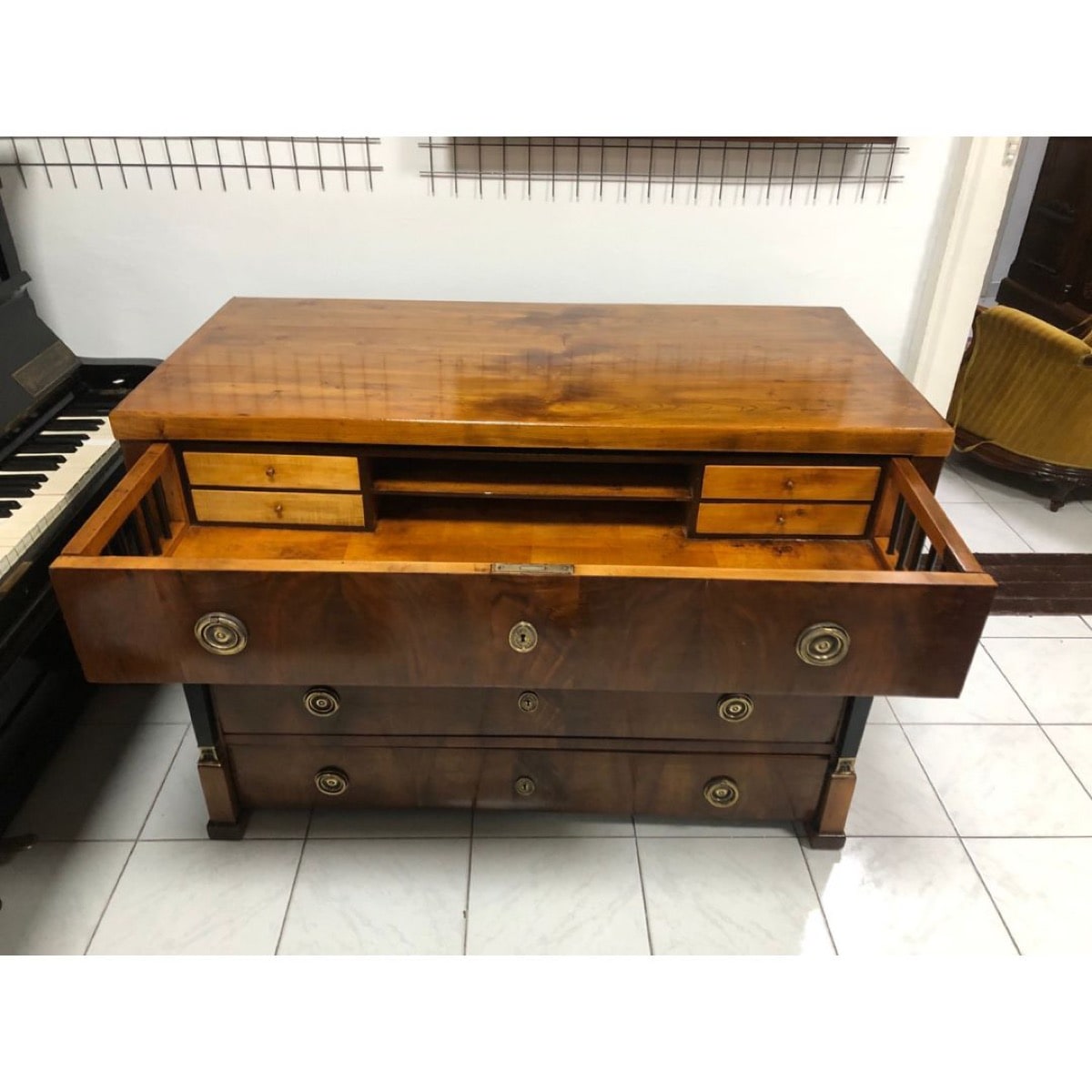

The advantage of the Biedermeier style, compared to most other styles, is that even after 200 years it can fit perfectly into modern interiors, because it does not require a large spatial environment, nor the entire interior arrangement in a certain style of earlier eras with expensive antiques. The furniture, made to meet the needs and aesthetic principles of a wealthy but ordinary citizen, was comfortable and functional, elegant and attractive. With its harmonious proportions and slightly curved contours, it easily finds its way into modern interiors.
All displayed pieces of furniture are (were) part of our offer.


